

The Rose Ring Nocturne
Dottie Prayer Plant
Goeppertia roseopicta ‘Dottie’
Rounded dark foliage traced with a pink ring and midrib. Give Dottie gentle light, steady moisture and humid air, and enjoy the changing angle of its leaves through the day.
Explore the care guide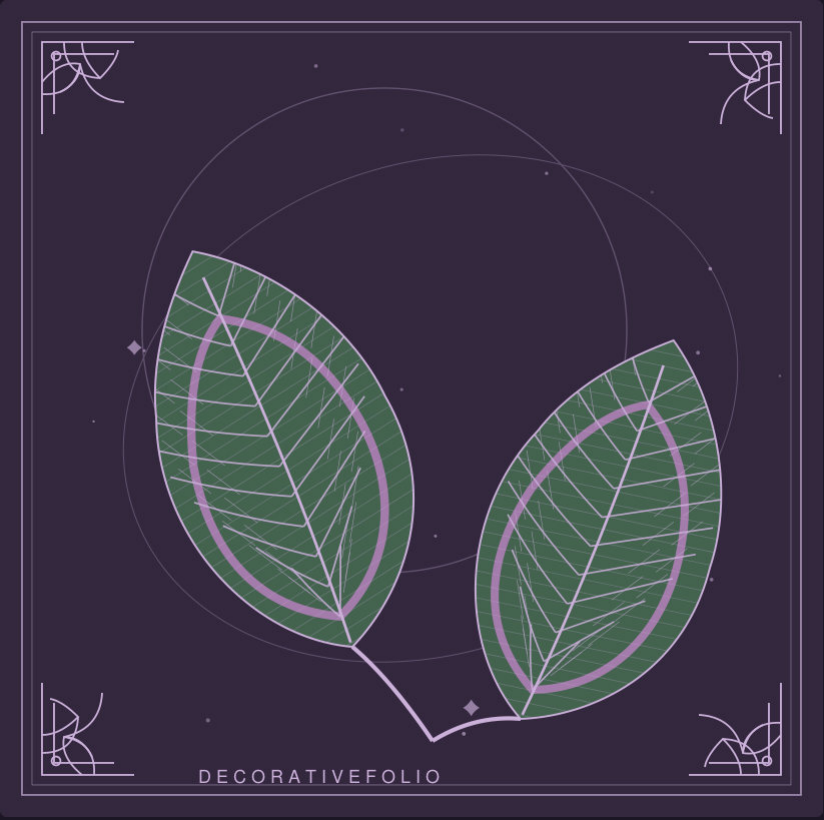
Care at a glance
Know your plant
Dottie is Goeppertia roseopicta ‘Dottie’, also known as Calathea roseopicta ‘Dottie’. It belongs to the Marantaceae family. [2][1]
Its rounded leaves are extremely dark green, with a pink band set inside the margin and a pink midrib. [3]
The leaves lift during the night and change their angle through the day. Follow this natural movement alongside the plant’s moisture and growth. [3]
Light and placement
Watering
Check the potting mix before watering. Keep the root ball moderately moist, with air in the mix and free drainage. [4]
Water thoroughly enough to wet the root ball and let excess escape. Empty water collected in the saucer or decorative cover pot. [8]
In darker autumn and winter conditions, let the surface dry before rewatering while keeping the root ball from drying completely. [7]
Use rainwater or distilled water for Dottie. This species is sensitive to fluoride in tap water, which can brown the foliage. [4]
Soil and pot choice
Temperature and humidity
NC State recommends 65–75°F / about 18–24°C for Goeppertia roseopicta. Keep the plant in steady indoor warmth. [4]
Provide humid air. NC State recommends relative humidity above 60% for this species. [4]
In a dry room, use a humidifier and monitor humidity with a sensor. Keep the plant away from direct heat and drying drafts. [11]
Feeding
Repotting
Repot when the clump and roots fill their container. Choose spring or early summer for fresh root growth. [7]
Use a modestly larger draining pot and fresh houseplant medium. Settle the root ball carefully at its existing level. [18]
Water through after repotting and let excess drain away. Keep the plant in its gentle-light growing position. [9]
Propagation
Pruning and foliage care
Problems and checks
Brown tips or dry edges
- Possible causes
- Dry indoor air.
- Checks to distinguish them
- Check room humidity and exposure to drying heat.
- Low-risk next step
- Improve humidity and move foliage away from direct heat.
- When to seek expert help
- Seek horticultural advice for new damage that continues after humidity improves.
Sources for these checks
Dry indoor air can brown tropical houseplant leaf edges. [11]
Leaves remain curled or wilted
- Possible causes
- Dry roots or roots impaired by prolonged wetness.
- Checks to distinguish them
- Check the mix and drain; compare the roots and stems with their usual firmness.
- Low-risk next step
- Water a dry root ball and drain it. Correct soggy conditions before adding more water.
- When to seek expert help
- Seek help for soft roots or a collapsing clump.
Sources for these checks
Wet-root damage can cause wilting because impaired roots cannot take up water normally. [10]
Pale or brown exposed patches
- Possible causes
- Strong direct sun.
- Checks to distinguish them
- Check whether affected leaves face the brightest direct exposure.
- Low-risk next step
- Filter the sun or move to bright indirect light.
- When to seek expert help
- Ask for diagnosis if patches spread after light is adjusted.
Sources for these checks
Direct sun can scorch the foliage. [4]
Fine webbing, speckling or cottony clusters
- Possible causes
- Mites or mealybugs.
- Checks to distinguish them
- Inspect leaf undersides, joints and neighboring plants closely.
- Low-risk next step
- Separate the plant and seek pest identification before selecting a treatment.
- When to seek expert help
- Ask for help when the infestation spreads or damages new growth.
Sources for these checks
Monitor this species for spider mites and mealybugs. [4]
Seasonal indoor care
Children and pets
SafetyASPCA lists Calathea species as non-toxic to cats and dogs. Dottie’s familiar botanical name is Calathea roseopicta ‘Dottie’. [13][2]
Keep leaves, fallen foliage and cuttings beyond pets that chew plants. Eating plant material can upset a pet’s stomach. [14]
For suspected poisoning or signs of illness, contact your veterinarian or ASPCA Poison Control at 888-426-4435. Provide the botanical name. [15]
Keep the plant, cuttings and loose potting material beyond young children’s reach. Keep its botanical name with the pot. [16]
For a human plant ingestion in the United States, call Poison Control at 1-800-222-1222 or use webPOISONCONTROL. Elsewhere, contact your local poison service. [17]
Similar plants
Sources
- Goeppertia roseopicta — Plants of the World Online
Royal Botanic Gardens, Kew
Accessed October 5, 2026
- Goeppertia roseopicta Dottie
Royal Horticultural Society
Accessed October 5, 2026
- Calathea plant named Dottie — US PP12,736 P2
United States Patent and Trademark Office — Anne E. Lamb; original text via Google Patents
Accessed October 5, 2026 · Publisher date: 2002-07-02
- Goeppertia roseopicta — Extension Gardener Plant Toolbox
NC State Extension
Accessed October 5, 2026
- Stromanthe thalia — Plants of the World Online
Royal Botanic Gardens, Kew
Accessed October 5, 2026
- Stromanthe thalia Triostar — Flora & Fauna Web
National Parks Board, Singapore
Accessed October 5, 2026 · Updated: 2021-10-14
- How to grow calatheas
Royal Horticultural Society
Accessed October 5, 2026
- Watering Indoor Plants
University of Maryland Extension
Accessed October 5, 2026 · Updated: 2023-03-10
- Potting and Repotting Indoor Plants
University of Maryland Extension
Accessed October 5, 2026 · Updated: 2023-03-10
- Winter Indoor Plant Problems
University of Maryland Extension
Accessed October 5, 2026 · Updated: 2023-12-12
- How can I increase the humidity indoors for my houseplants?
University of New Hampshire Extension
Accessed October 5, 2026 · Publisher date: 2025-01-15
- How to Propagate Houseplants by Division and Offsets
Iowa State University Extension and Outreach — Aaron Steil
Accessed October 5, 2026 · Updated: Last reviewed January 2025
- Calathea — Toxic and Non-Toxic Plants
ASPCA Poison Control
Accessed October 5, 2026
- Toxic and Non-Toxic Plants — plant precautions
ASPCA Poison Control
Accessed October 5, 2026
- ASPCA Poison Control
ASPCA Poison Control
Accessed October 5, 2026
- Poisonous and non-poisonous plants: An illustrated list
National Capital Poison Center
Accessed October 5, 2026
- Get help online or by phone
National Capital Poison Center
Accessed October 5, 2026
- Repotting houseplants
University of Illinois Extension
Accessed October 5, 2026