

The Tubular Herbarium
Gollum Jade
Crassula ovata ‘Gollum’
Tubular foliage with rounded, cup-like tips gives Gollum its sculptural outline. Provide a sunny position and draining root conditions, then shape branches to suit the space.
Explore the care guide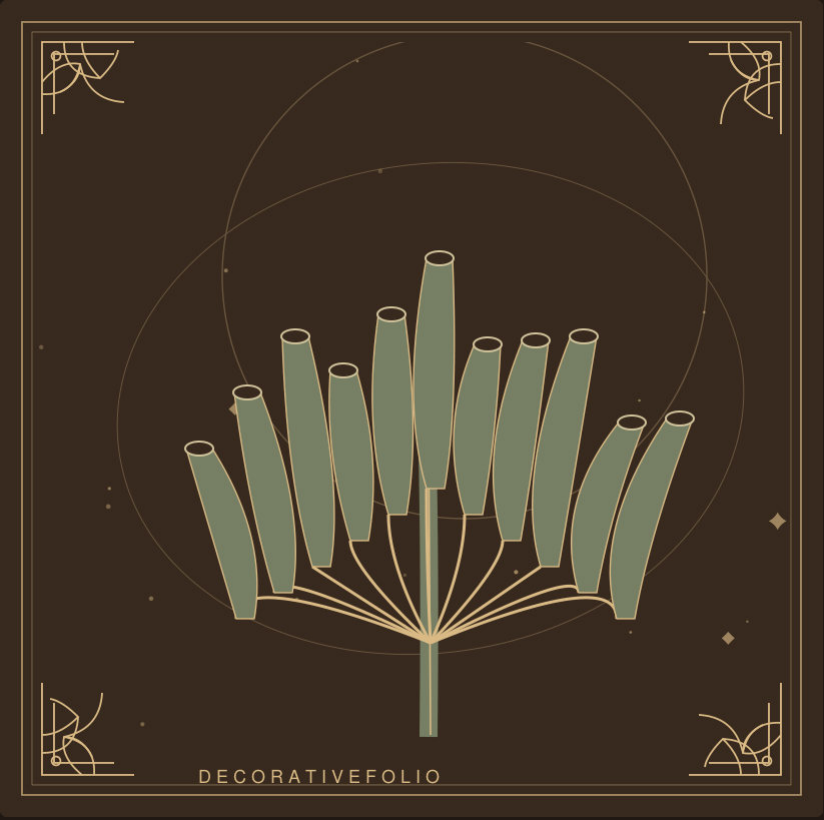
Care at a glance
Know your plant
Gollum is a named cultivar of Crassula ovata. Its fleshy leaves are elongated and nearly tubular, with distinctive cup-like ends. [4][2]
The foliage sits on branching succulent stems that become woody with age. The plant combines the familiar jade-tree habit with an upright fan of finger-like leaves. [4]
Light and placement
Watering
Soil and pot choice
Temperature and humidity
An ordinary indoor room suits jade. A daytime range around 60–70°F / 16–21°C is a useful growing target, with cooler nights. Protect the plant from freezing. [7]
Ordinary dry indoor air suits succulent growing. Keep the plant in a ventilated position and care for the roots through drainage and measured watering. [8]
Feeding
Repotting
Check for crowded roots and an unstable, top-heavy plant before choosing a new container. Repot as fresh growth starts. [5]
Move to a slightly larger draining pot, support the plant upright, and settle fresh succulent mix around the root ball. [11]
Water sparingly while the repotted plant establishes, then return to a drying cycle suited to its pot and light. [5]
Propagation
Pruning and growth
Problems and checks
Soft yellowing leaves or stems
- Possible causes
- Excessive moisture or impaired drainage.
- Checks to distinguish them
- Check for damp mix and water trapped in the outer pot.
- Low-risk next step
- Empty trapped water, clear the drain and let the mix dry appropriately.
- When to seek expert help
- Seek horticultural help for a collapsing stem or dark, soft roots.
Sources for these checks
Persistently wet succulent roots can rot, and overwatering can lead to leaf loss. [10]
Shrivelled foliage
- Possible causes
- A dry root ball or roots damaged by prolonged moisture.
- Checks to distinguish them
- Compare the moisture in the mix with the condition of stems and visible roots.
- Low-risk next step
- Water a dry, firm-rooted plant thoroughly and drain it. Correct wet conditions before adding more water.
- When to seek expert help
- Seek help if shrivelling continues with damp mix or a soft stem.
Sources for these checks
Underwatering and damaged roots can both leave succulent foliage shrivelled. [10]
Long, weak growth
- Possible causes
- Insufficient light.
- Checks to distinguish them
- Look at the length of new stems and the brightness of the growing position.
- Low-risk next step
- Move toward brighter light in stages.
- When to seek expert help
- Ask a horticulturist if new growth remains weak after improving the light.
Sources for these checks
Jade develops weak, stretched growth when light is insufficient. [2]
Pale or brown patches after a move
- Possible causes
- Abrupt exposure to stronger sun.
- Checks to distinguish them
- Compare the affected side with the recent change in placement.
- Low-risk next step
- Return to gentler light and acclimate in stages.
- When to seek expert help
- Seek help for spreading damage without a change in sun exposure.
Sources for these checks
Succulent foliage can scorch after a sudden increase in sunlight. [10]
Cottony clusters or fixed bumps
- Possible causes
- Mealybugs or scale insects.
- Checks to distinguish them
- Inspect leaf joints, stems and leaf undersides closely.
- Low-risk next step
- Separate the plant and remove visible pests carefully. Choose further treatment with horticultural advice.
- When to seek expert help
- Ask for pest identification if the infestation spreads or repeatedly returns.
Sources for these checks
Mealybugs and scale can affect jade foliage and stems. [2]
Seasonal indoor care
Children and pets
SafetyJade plant is toxic to cats and dogs. ASPCA lists it under the synonym Crassula argentea; signs include vomiting, depression and poor coordination. [13][1]
After suspected ingestion or signs of illness, contact your veterinarian or ASPCA Poison Control at 888-426-4435. Provide the plant’s botanical name. [14]
Keep the plant, cuttings and loose potting material beyond young children’s reach. Display it as an ornamental plant and keep plant material away from food and drinks. [15]
For a human plant ingestion in the United States, call Poison Control at 1-800-222-1222 or use webPOISONCONTROL. Elsewhere, contact your local poison service. [16]
Similar plants
Sources
- Crassula ovata (Mill.) Druce — Plants of the World Online
Royal Botanic Gardens, Kew
Accessed October 5, 2026
- Crassula ovata — Extension Gardener Plant Toolbox
NC State Extension
Accessed October 5, 2026
- Crassula ovata — jade plant
Royal Horticultural Society
Accessed October 5, 2026
- Crassula ovata Gollum — jade plant Gollum
Royal Horticultural Society
Accessed October 5, 2026
- Jade Plant, Crassula ovata
University of Wisconsin–Madison Extension — Susan Mahr
Accessed October 5, 2026 · Updated: Revised April 2025
- How do I care for a jade plant?
Iowa State University Extension and Outreach — Richard Jauron
Accessed October 5, 2026 · Updated: Last updated June 2, 2025
- Jade Plants
University of Connecticut Home Garden Education Office
Accessed October 5, 2026
- Growing Succulents Indoors
Iowa State University Extension and Outreach — Aaron Steil
Accessed October 5, 2026 · Updated: Last reviewed December 2024
- How to Propagate Succulents
Iowa State University Extension and Outreach — Aaron Steil
Accessed October 5, 2026 · Updated: Last reviewed August 2023
- Common Problems and Issues of Succulents
Iowa State University Extension and Outreach — Aaron Steil
Accessed October 5, 2026 · Updated: Last reviewed August 2023
- How to grow houseplant cacti and succulents
Royal Horticultural Society
Accessed October 5, 2026
- Portulacaria afra — elephant bush
Royal Horticultural Society
Accessed October 5, 2026
- Jade Plant — Toxic and Non-Toxic Plants
ASPCA Poison Control
Accessed October 5, 2026
- ASPCA Poison Control
ASPCA Poison Control
Accessed October 5, 2026
- Poisonous and non-poisonous plants: An illustrated list
National Capital Poison Center
Accessed October 5, 2026
- Get help online or by phone
National Capital Poison Center
Accessed October 5, 2026