
The Pearl Margin
Pearls and Jade Pothos
Epipremnum aureum ‘Pearls and Jade’
A compact trailing vine with green, white and gray-green leaf patterns. Give Pearls and Jade bright indirect light, a draining pot and time for the upper mix to dry between waterings.
Explore the care guide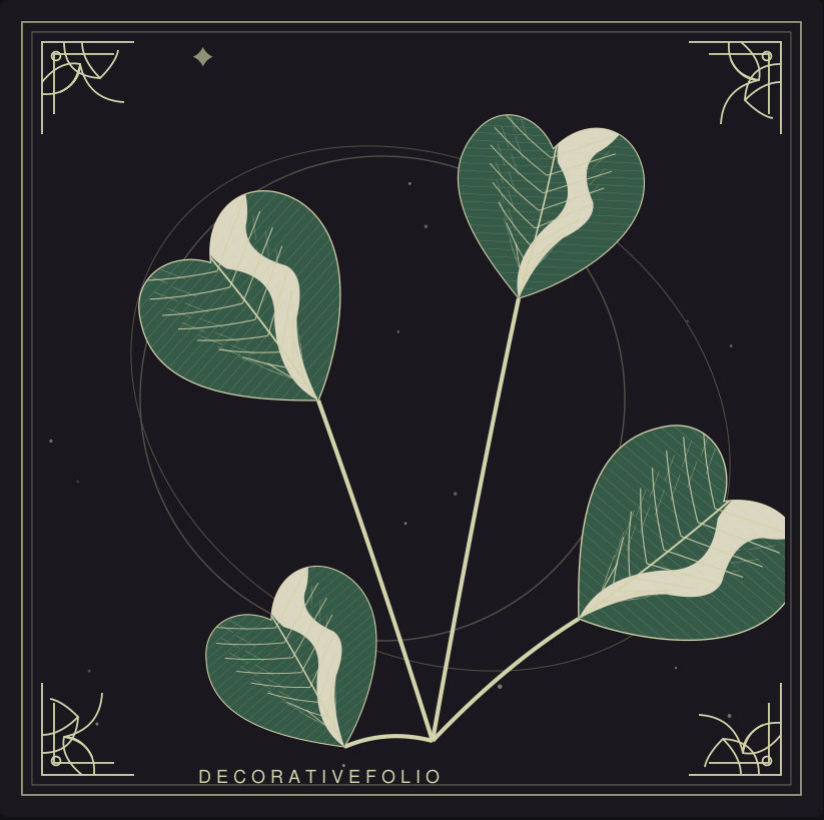
Care at a glance
Know your plant
Light and placement
Watering
Feel the upper mix before watering. Let approximately the top 2cm / ¾ inch dry; check the pot rather than following a weekly schedule. [8]
Wet the root ball thoroughly, let excess water escape and empty the saucer or cover pot. [11]
Allow longer intervals when growth slows and the mix takes longer to dry. [10]
Soil and pot choice
Temperature and humidity
Feeding
Feed every other month during active growth, following the houseplant fertilizer label. Pause feeding during inactive winter growth. [6]
Repotting
Propagation
Pruning and foliage care
Problems and checks
Older leaves yellow
- Possible causes
- Watering stress.
- Checks to distinguish them
- Feel the mix and check drainage before adding water.
- Low-risk next step
- Water a dry root ball and drain it; let excessively wet mix recover before rewatering.
- When to seek expert help
- Seek horticultural advice for continuing decline or soft roots.
Sources for these checks
Yellow leaves can follow both excessive and insufficient moisture. [5]
Bleached or brown exposed patches
- Possible causes
- Strong direct sun or excessive heat.
- Checks to distinguish them
- Compare damaged leaves with their sun exposure.
- Low-risk next step
- Filter hot sun and retain bright indirect light.
- When to seek expert help
- Seek diagnosis if damage spreads after exposure changes.
Sources for these checks
Protect the foliage from hot direct sun. [5]
Cottony clusters or attached bumps
- Possible causes
- Mealybugs or scale.
- Checks to distinguish them
- Inspect leaf undersides and stem joints.
- Low-risk next step
- Separate the plant and obtain pest identification before selecting treatment.
- When to seek expert help
- Ask for advice if pests spread or damage new growth.
Sources for these checks
Watch for mealybugs and scale. [6]
Seasonal indoor care
Children and pets
SafetyPearls and Jade Pothos is toxic to cats and dogs. ASPCA identifies insoluble calcium oxalates in Epipremnum aureum. [15]
Chewing can cause mouth pain or swelling, drooling and difficulty swallowing. Keep plants, fallen leaves and cuttings beyond pets that chew. [15]
For suspected ingestion, promptly contact your veterinarian or ASPCA Poison Control at 888-426-4435. Provide the botanical name. [16]
Pothos can irritate the mouth and skin. Keep it beyond young children, wear gloves when pruning and avoid touching your eyes. [6][17]
For human ingestion in the United States, call Poison Control at 1-800-222-1222. Elsewhere, contact your local poison service. Call emergency services for breathing difficulty, seizures, collapse or inability to awaken. [18]
Similar plants
Sources
- Epipremnum aureum - Plants of the World Online
Royal Botanic Gardens, Kew
Accessed October 5, 2026
- Scindapsus pictus - Plants of the World Online
Royal Botanic Gardens, Kew
Accessed October 5, 2026
- New Florida Foliage Plant Cultivar: Pothos Pearls and Jade
University of Florida IFAS Extension - Richard J. Henny, Jianjun Chen and Terri A. Mellich
Accessed October 5, 2026 · Publisher date: 2011-03
- Pearls and Jade UFM12
Florida Foundation Seed Producers / University of Florida
Accessed October 5, 2026
- Cultural Guidelines for Commercial Production of Interiorscape Epipremnum
University of Florida IFAS Extension
Accessed October 5, 2026 · Publisher date: 2003-04 · Updated: Reviewed 2018-11; PDF stamp 2024-10
- Epipremnum aureum - Extension Gardener Plant Toolbox
NC State Extension
Accessed October 5, 2026
- Scindapsus pictus - Extension Gardener Plant Toolbox
NC State Extension
Accessed October 5, 2026
- Epipremnum - RHS Plant Guide
Royal Horticultural Society
Accessed October 5, 2026
- How to grow epipremnum
Royal Horticultural Society
Accessed October 5, 2026
- Pothos, Epipremmum aureum
University of Wisconsin-Madison Extension - Susan Mahr; revised by Bruce Spangenberg
Accessed October 5, 2026 · Updated: Last revised 2025
- Watering Indoor Plants
University of Maryland Extension
Accessed October 5, 2026 · Updated: 2023-03-10
- Potting and Repotting Indoor Plants
University of Maryland Extension
Accessed October 5, 2026 · Updated: 2023-03-10
- Repotting houseplants
University of Illinois Extension
Accessed October 5, 2026
- Propagating Houseplants
Iowa State University Extension and Outreach - Aaron Steil
Accessed October 5, 2026 · Updated: Last reviewed January 2025
- Golden Pothos - Toxic and Non-Toxic Plants
ASPCA Poison Control
Accessed October 5, 2026
- ASPCA Poison Control
ASPCA Poison Control
Accessed October 5, 2026
- Poisonous and non-poisonous plants: An illustrated list
National Capital Poison Center
Accessed October 5, 2026
- Get help online or by phone
National Capital Poison Center
Accessed October 5, 2026
- Scindapsus pictus Exotica
Fairchild Tropical Botanic Garden
Accessed October 5, 2026