

The Nocturne Herbarium
White Princess Philodendron
Philodendron ‘White Princess’
Indoor care for White Princess Philodendron, from light and watering to propagation and safety.
Explore the care guide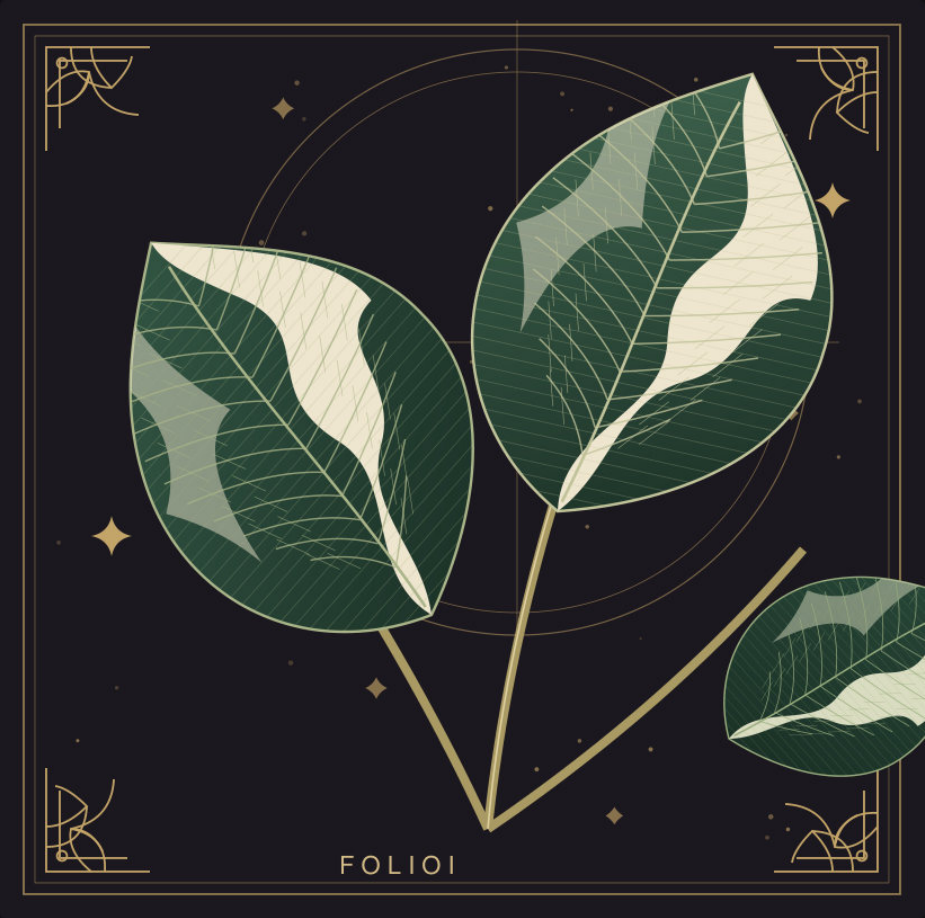
Care at a glance
Know your plant
White Princess is described by NC State as green foliage marked with white. Pink Princess is separately listed for pink variegation. [5]
RHS lists Philodendron ‘White Princess’. NC State includes this cultivated selection under P. erubescens. [14][5]
Keep the supplied plant label and provenance with your White Princess. Compare views of the whole plant when checking its identity.
Light and placement
Provide bright indirect light. Avoid intense summer sun; insufficient light can produce long bare stems and smaller, fewer leaves. [4]
Reassess the actual window each season, including buildings, blinds and trees. A grow light can supplement an inadequate site. Lower-light tolerance does not mean a plant can live indefinitely in a windowless dark room. [24]
Wipe dust gently with a damp cloth while supporting the leaf. Inspect both leaf surfaces and stem joints at the same time. [15][25]
When light strengthens, check for hotter sun on the leaves and faster drying. Adjust gradually; abruptly moving a shade-acclimated plant into strong sun can scorch it. [21]
Watering
Let the surface of the mix dry between waterings. Then water and drain; do not leave the roots saturated. [4]
Check the mix with a finger and lift the pot before reaching for the watering can. Compare with the weight after the previous watering. [22]
In a deep pot, check below the dry surface with a wooden probe. If deeper mix is still damp, do not assume the whole root zone is dry. [23]
Water the mix slowly and evenly until excess emerges from the drainage holes. Let it finish draining, then empty the saucer or decorative cover pot. [22]
If water immediately runs down the sides of a shrunken, very dry rootball, apply it in several passes to re-wet the mix; do not leave the pot permanently soaking. [23]
A moisture check can recur on your calendar; watering itself should follow the plant’s trigger. Changes in light, pot size and mix change the interval. [22]
Soil and pot choice
Use a loose, aerated, free-draining mix. Repot into a modestly larger container when roots are densely crowded, ideally in spring. [11]
Temperature and humidity
For P. erubescens, NC State recommends a warm room at 65–85°F (18–29°C), with protection from draughts. [5]
Philodendrons welcome moderately humid air and can adapt to normal household humidity. [4]
Check the conditions beside the plant, not only the room thermostat. Cold glass, an opening door or hot vent can create a harsher microclimate than the room average. [15]
Feeding
Feed during observable active growth. Reduce or pause feeding when low light slows growth. Increasing concentration is not a treatment for poor roots, cold stress or faded variegation. [15]
Repotting
First inspect: check whether roots densely fill the container and whether the mix is compacted or the plant dries unusually quickly. A root at one hole is a cue to inspect, not an automatic demand for a large new pot. [17]
Prepare the suitable mix, a clean draining pot only modestly larger, and a tray or covered work surface. Use the same pot size if the remaining healthy root system does not need extra space. [20]
Propagation
Start with healthy material, clean containers and sharp, clean tools. Use an airy rooting medium and bright indirect light; enclosed cuttings need ventilation. [16]
For a climbing specimen, provide a support. Prune a long stem above a node; take propagation material with a node below the cut. Root stem cuttings in water, then pot once well rooted. [11]
Water-rooted cuttings can be moved to potting mix once rooted. The transition changes the root environment, so watch moisture and wilting closely while the cutting establishes. Rooting speed varies with conditions. [16]
Begin with healthy material and clean tools.
Pruning and variegation
For a climbing specimen, provide a support. Prune a long stem above a node; take propagation material with a node below the cut. Root stem cuttings in water, then pot once well rooted. [11]
Color patterns can vary between leaves. Greener shoots can outgrow variegated shoots; pale sectors contain less chlorophyll. This is a general variegation principle, not proof that every named cultivar behaves identically. [13]
If variegation fades, review light and drainage and check whether an entire shoot has reverted. Focus on healthy new growth when adjusting care. [7]
Problems and next checks
Monitor for spider mites, mealybugs, aphids and scale. Wet roots can rot; leaf-spot problems also occur. Avoid routinely wetting foliage when watering. [5]
Photograph the whole plant and close-ups, and note recent changes in watering, light, fertilizer and temperature. Compare new growth and the rate of spread rather than diagnosing from one yellow leaf. [19]
Wilting or yellowing
- Possible causes
- Dry rootball
- Persistently wet mix and root damage
- Other stress
- Checks to distinguish them
- Feel below the surface and compare pot weight.
- Check trapped water and drainage.
- If decline persists, inspect whether roots are firm or dark and soft.
- Low-risk next step
- If genuinely dry, water and drain; if wet, stop adding water and correct trapped water or poor drainage.
- When to seek expert help
- Progressive collapse, extensive soft roots or decline despite corrected conditions.
Sources for these checks
Check the mix with a finger and lift the pot before reaching for the watering can. Compare with the weight after the previous watering. [22]
In a deep pot, check below the dry surface with a wooden probe. If deeper mix is still damp, do not assume the whole root zone is dry. [23]
Yellowing or wilting can follow either drought or excessive moisture. Before adding water, check the mix, drainage, light and roots. Persistently wet mix with dark, soft roots points toward root damage; firm, light-colored roots are healthier. [19]
Excess moisture limits root oxygen, so a wet plant can wilt as if thirsty. Empty trapped water and correct drainage rather than repeatedly watering a wilted plant. [23]
If roots are dark and soft or decline continues after basic care corrections, seek a plant diagnostic service or local Extension advice. Do not expect a fertilizer to restore rotten roots. [19]
Pale patches turning brown after a light change
- Possible causes
- Scorch from stronger sun
- Other leaf injury
- Checks to distinguish them
- Compare the affected side with the sun-facing side.
- Check whether the damage appeared after moving the plant.
- Low-risk next step
- Move out of harsh exposure; reintroduce stronger light gradually and watch new growth.
- When to seek expert help
- Spots spread despite stable conditions, or appear with wet lesions or stem damage.
Sources for these checks
Pale, bleached patches that later turn brittle after stronger sun may be scorch. Move out of harsh exposure and adjust light gradually; a leaf symptom alone does not establish its cause. [21]
When light strengthens, check for hotter sun on the leaves and faster drying. Adjust gradually; abruptly moving a shade-acclimated plant into strong sun can scorch it. [21]
Photograph the whole plant and close-ups, and note recent changes in watering, light, fertilizer and temperature. Compare new growth and the rate of spread rather than diagnosing from one yellow leaf. [19]
Cottony deposits, bumps, webbing or sticky leaves
- Possible causes
- Mealybugs
- Scale insects
- Mites or other pests
- Checks to distinguish them
- Inspect undersides, axils and pot crevices with magnification.
- Determine whether the marks are insects or damaged plant tissue.
- Low-risk next step
- Separate from other plants, document the pest and gently remove accessible pests while seeking identification.
- When to seek expert help
- Identification is uncertain, damage spreads, or repeated cleaning does not control the infestation.
Sources for these checks
Inspect leaf undersides, crevices and pot rims for insects, cottony deposits, webbing or sticky residue. If pests are found, separate the plant from the collection while identifying the problem. [25]
Small, accessible infestations may be reduced by gentle wiping or rinsing. Keep removed material away from other plants. If pests recur or are hard to identify, ask local Extension for an identification before selecting treatment. [25]
Avoid homemade detergent sprays and automatic pesticide mixtures. If a pesticide is needed, it must be labeled for the pest, plant and indoor use; follow its precautions. [25]
Slow growth or long, weak new growth
- Possible causes
- Insufficient light
- Seasonal slowdown
- Root or temperature stress
- Checks to distinguish them
- Compare the current light and new growth with earlier conditions.
- Check the root-zone moisture and nearby drafts.
- Low-risk next step
- Improve the suitable light position gradually; keep watering and fertilizer proportional to actual growth.
- When to seek expert help
- The plant deteriorates rather than merely growing slowly, especially with root or stem damage.
Sources for these checks
Reassess the actual window each season, including buildings, blinds and trees. A grow light can supplement an inadequate site. Lower-light tolerance does not mean a plant can live indefinitely in a windowless dark room. [24]
Check the conditions beside the plant, not only the room thermostat. Cold glass, an opening door or hot vent can create a harsher microclimate than the room average. [15]
As available light and growth decrease, reassess drying speed and feeding. A plant under strong grow lights may continue growing even when an untreated windowsill plant slows. [18][24]
Feed during observable active growth. Reduce or pause feeding when low light slows growth. Increasing concentration is not a treatment for poor roots, cold stress or faded variegation. [15]
If roots are dark and soft or decline continues after basic care corrections, seek a plant diagnostic service or local Extension advice. Do not expect a fertilizer to restore rotten roots. [19]
New leaves look greener or differently patterned
- Possible causes
- Normal leaf-to-leaf variation
- Inadequate light
- A reverted shoot in a variegated plant
- Checks to distinguish them
- Compare several new leaves on the same shoot.
- Review light, drainage and the overall plant condition.
- Low-risk next step
- Provide appropriate light and root care; do not force stronger sun or fertilizer to chase a pattern.
- When to seek expert help
- Cultivar identity is uncertain, or color change accompanies declining growth and root damage.
Sources for these checks
Color patterns can vary between leaves. Greener shoots can outgrow variegated shoots; pale sectors contain less chlorophyll. This is a general variegation principle, not proof that every named cultivar behaves identically. [13]
If variegation fades, review light and drainage and check whether an entire shoot has reverted. Focus on healthy new growth when adjusting care. [7]
Yellowing with a persistently wet pot calls for a root-and-drainage check. Browning in pale areas alone does not prove a humidity deficit: review watering, roots, light and fertilizer before changing care. [7]
Seasonal indoor care
As available light and growth decrease, reassess drying speed and feeding. A plant under strong grow lights may continue growing even when an untreated windowsill plant slows. [18][24]
When light strengthens, check for hotter sun on the leaves and faster drying. Adjust gradually; abruptly moving a shade-acclimated plant into strong sun can scorch it. [21]
Before moving an outdoor-summering plant back among indoor plants, inspect for pests. Keep an infested plant separate and resolve the infestation before rejoining the collection. [25]
Children and pets
SafetyKeep the plant, fallen leaves and cuttings away from children who may chew them. For a suspected human exposure in the U.S., contact Poison Control at 1-800-222-1222 or poison.org; outside the U.S., use the local poison service. [6]
For suspected pet ingestion, contact a veterinarian or ASPCA Poison Control at 888-426-4435 in the U.S.; a consultation fee may apply. Keep the plant name and photographs available. [3][2]
For an exposure, contact the appropriate poison service or veterinarian for advice specific to the person or pet.
Similar plants
Pink Princess and White Princess are listed separately by NC State, with pink versus white variegation. Similar general Philodendron care does not make their cultivar identities interchangeable. [5]
Keep the supplied plant label and provenance with your White Princess. Compare views of the whole plant when checking its identity.
Sources
- ASPCA: These houseplants can cause trouble for your pets
ASPCA
Accessed October 3, 2026 · Publisher date: 2025-10-13 · Updated: 2025-10-13
- ASPCA: Golden pothos
ASPCA
Accessed October 3, 2026
- ASPCA: Snake plant
ASPCA
Accessed October 3, 2026
- Growing Philodendrons at Home
Iowa State University Extension
Accessed October 3, 2026 · Updated: 2025-01 reviewed
- NC State Extension: Philodendron erubescens
NC State Extension
Accessed October 3, 2026
- Poisonous and non-poisonous plants: An illustrated list
National Capital Poison Center
Accessed October 3, 2026
- RHS: Leaf damage on houseplants
Royal Horticultural Society
Accessed October 3, 2026
- RHS: Epipremnum aureum Marble Queen
Royal Horticultural Society
Accessed October 3, 2026
- RHS: Sansevieria trifasciata Moonshine
Royal Horticultural Society
Accessed October 3, 2026
- Overpotting
Royal Horticultural Society
Accessed October 3, 2026
- RHS: How to grow philodendrons
Royal Horticultural Society
Accessed October 3, 2026
- RHS: How to grow epipremnum
Royal Horticultural Society
Accessed October 3, 2026
- RHS: Reversion
Royal Horticultural Society
Accessed October 3, 2026
- RHS: Philodendron White Princess (v)
Royal Horticultural Society
Accessed October 3, 2026
- Illinois Extension: Houseplant care
University of Illinois Extension
Accessed October 3, 2026
- Propagation: Houseplants
University of Illinois Extension
Accessed October 3, 2026
- Illinois Extension: Repotting
University of Illinois Extension
Accessed October 3, 2026
- Illinois Extension: Houseplants, winter watering, and humidity
University of Illinois Extension
Accessed October 3, 2026 · Publisher date: 2022-02-07 · Updated: 2022-02-07
- University of Maryland Extension: Diagnose indoor plant problems
University of Maryland Extension
Accessed October 3, 2026 · Publisher date: 2025-02-05 · Updated: 2025-02-05
- University of Maryland Extension: Potting and repotting indoor plants
University of Maryland Extension
Accessed October 3, 2026 · Publisher date: 2023-03-10 · Updated: 2023-03-10
- University of Maryland Extension: Excess light on indoor plants
University of Maryland Extension
Accessed October 3, 2026 · Publisher date: 2023-03-13 · Updated: 2023-03-13
- University of Maryland Extension: Watering indoor plants
University of Maryland Extension
Accessed October 3, 2026 · Publisher date: 2023-03-10 · Updated: 2023-03-10
- University of Maryland Extension: Overwatered indoor plants
University of Maryland Extension
Accessed October 3, 2026 · Publisher date: 2023-03-13 · Updated: 2023-03-13
- University of Minnesota Extension: Lighting for indoor plants and starting seeds
University of Minnesota Extension
Accessed October 3, 2026
- Managing insects on indoor plants
University of Minnesota Extension
Accessed October 3, 2026
- UW-Madison Extension: Pothos, Epipremmum aureum
University of Wisconsin–Madison Extension
Accessed October 3, 2026 · Publisher date: 2025 revision · Updated: 2025 revision