Investigate colorful mineral materials through their chemistry, structure, formation, and documented human uses. Color is a starting point for observation; the individual guides explain identity and treatment.
12 specimens · Geology, history, and attributed traditions
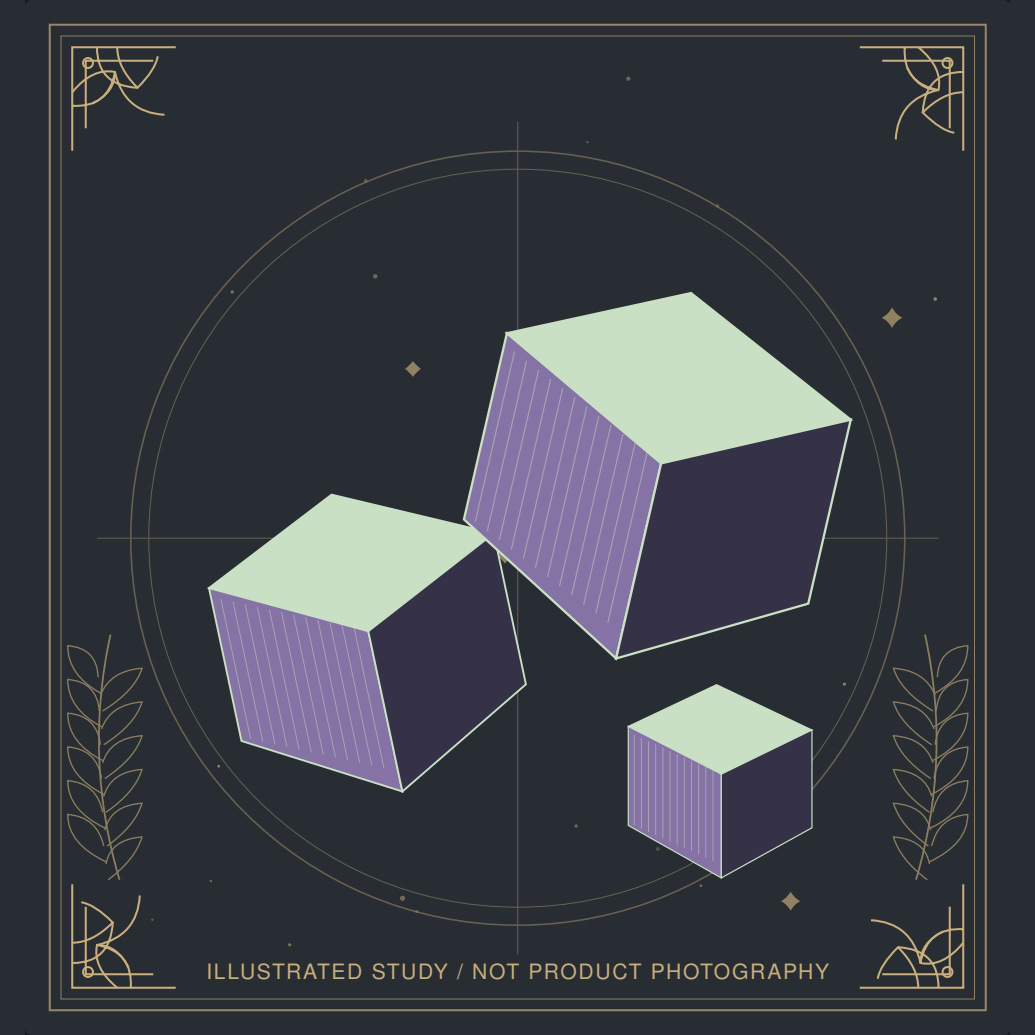
Fluorite is calcium fluoride, often seen as cubes or color-zoned masses. Purple, green, yellow and blue can share one piece. A broken octahedron and a naturally grown cube have different origins of shape.
Calcite is calcium carbonate, appearing as clear cleavage fragments, pointed crystals, rounded growths and banded carving stone. One mineral supports far more shapes than the familiar tumble. A rhombohedral fragment is not a cube despite its regular-looking faces.
A calcium-carbonate polymorph distinct from calcite.
Aragonite is calcium carbonate with a structure distinct from calcite. Star-like clusters, branches and banded masses show that one mineral can have many external forms. A radiating cluster is an aggregate rather than one simple pointed crystal.
Gypsum is hydrated calcium sulfate, with clear selenite, fibrous satin spar and fine-grained alabaster expressing very different textures. A clear plate and a silky wand can share a mineral species while deserving different variety labels.
Angelite is a trade name for blue-gray massive anhydrite. Its soft-looking opaque surface differs from a clear celestine cluster. The sky-like color and angelic name are appearance and naming features rather than chemical identity.
Celestine is strontium sulfate, also commonly called celestite. Pale blue crystal clusters are familiar, but the mineral occurs in other colors. A cavity-lined cluster preserves a relationship between crystals and host rather than one giant solid gem.
Barite, also spelled baryte, is barium sulfate. Broad plates, radiating groups and rose-like forms give it a wide visual range. Its substantial heft is a useful characteristic, but should not be replaced by a destructive test or guessed from an image.