Follow the quartz family from clear crystals and color varieties to included stones and optical effects. Compare mineral identity, crystal habit, aggregate texture, and treatment in each specimen guide.
10 specimens · Geology, history, and attributed traditions
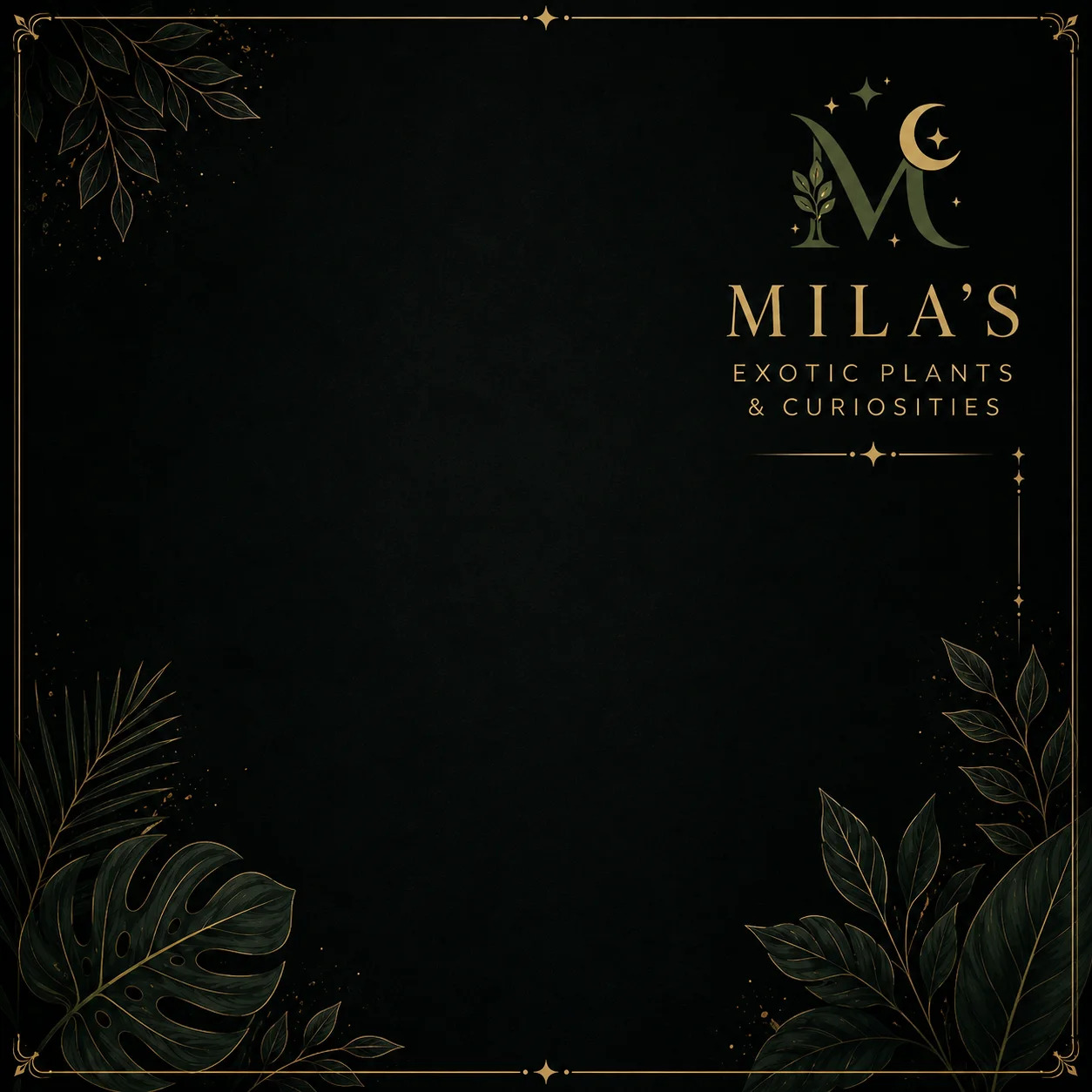
Rock crystal is colorless, visibly crystalline quartz. A clear point may contain white clouds, internal cracks or mineral inclusions and still be quartz. Its transparent interior and outer growth faces tell different parts of its history. A smooth polished tower exposes the interior while replacing the natural surface with a manufactured shape.
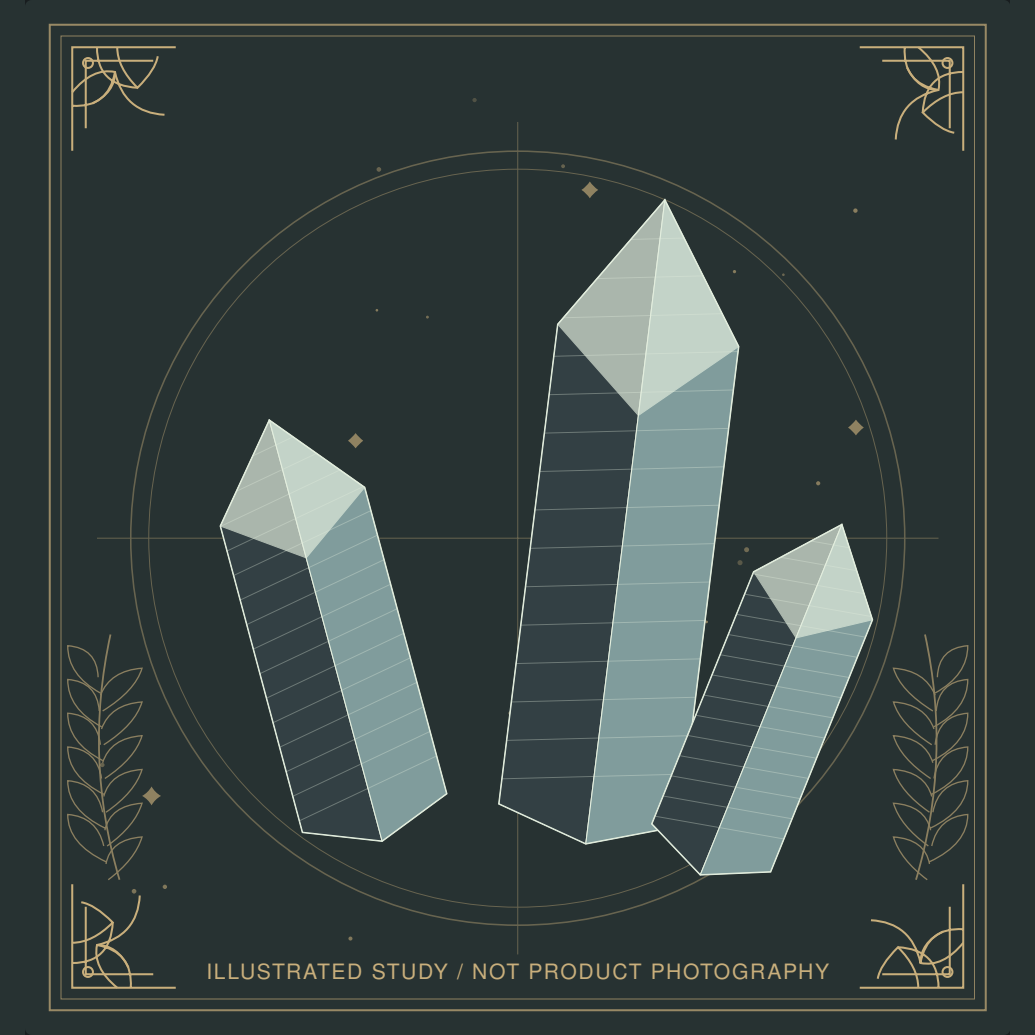
Typical rose quartz is a translucent pink mass with irregular surfaces and a softly clouded interior. Pale blush, richer rose color and a carved shape describe appearance and workmanship. The usual material does not grow as the generic pointed crystal sometimes shown in decorative imagery.
Amethyst is purple quartz, from pale lavender to deep violet. Pale or colorless zones can share a crystal with dark violet areas. A geode contains a cavity lined by many crystals rather than one enormous amethyst crystal. Rough clusters and polished banded pieces reveal different parts of that architecture.
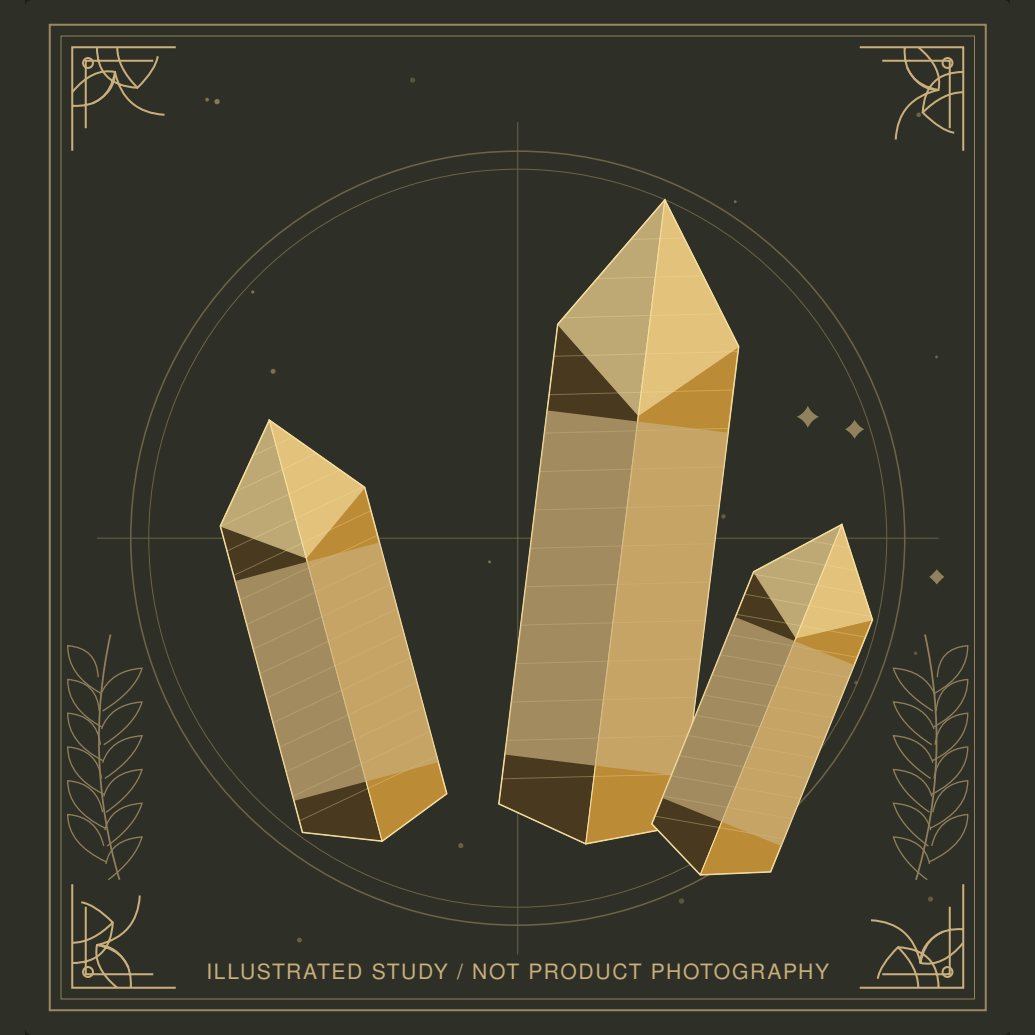
Citrine is yellow-to-orange quartz. A honey crystal and an orange cluster can share quartz identity while having different color histories. The defining material questions are what mineral is present and whether the current color arose geologically or through treatment.
Smoky quartz ranges from a gray-brown veil to almost black. A thin edge may transmit light even when the centre looks opaque. Morion is an established name for very dark material. The smoky color is within the quartz, distinct from an iron-colored surface coating.
Quartz combining amethyst-purple and citrine-yellow/orange zones.
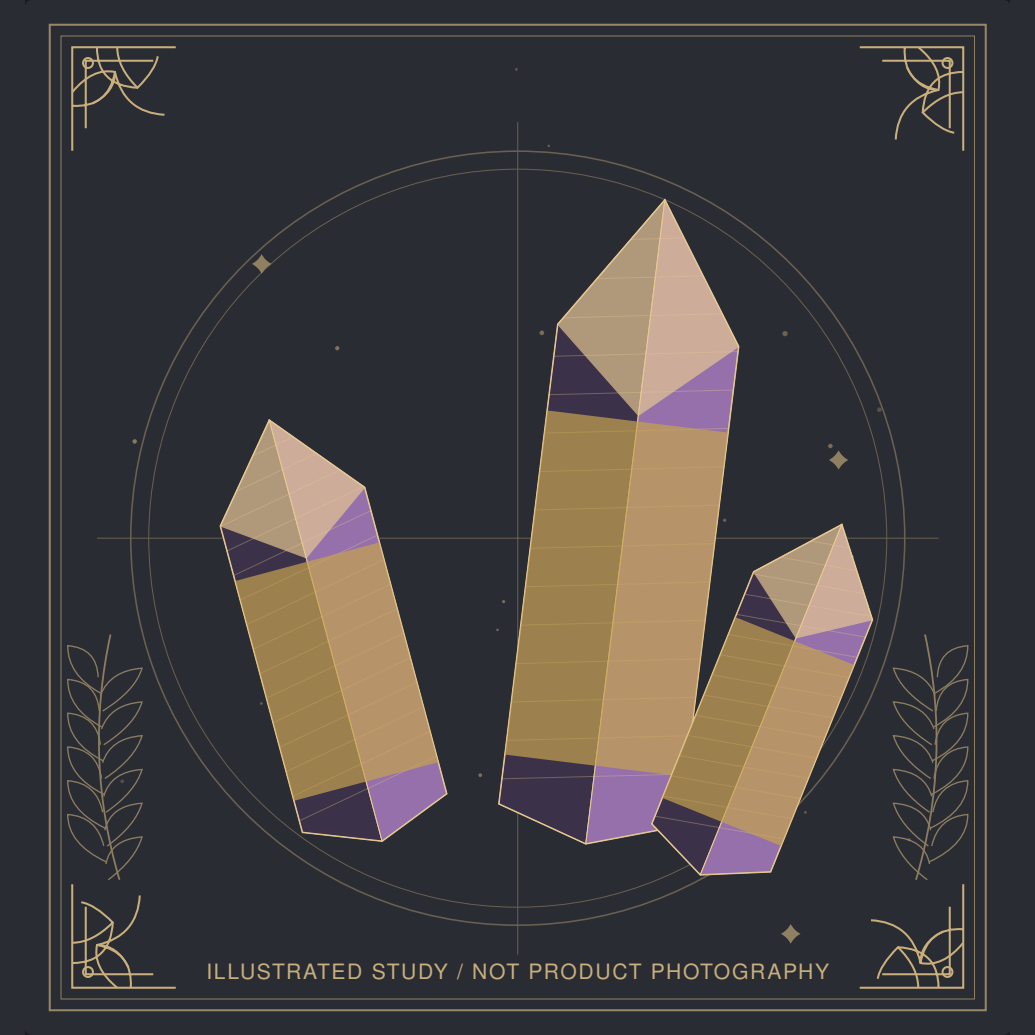
Ametrine combines purple and yellow-orange zones within one quartz crystal. It is not two unrelated minerals physically joined together. A cutting orientation can create a clean division in a finished gem, while rough reveals a more complex arrangement.
Quartz containing other minerals or visible growth features.
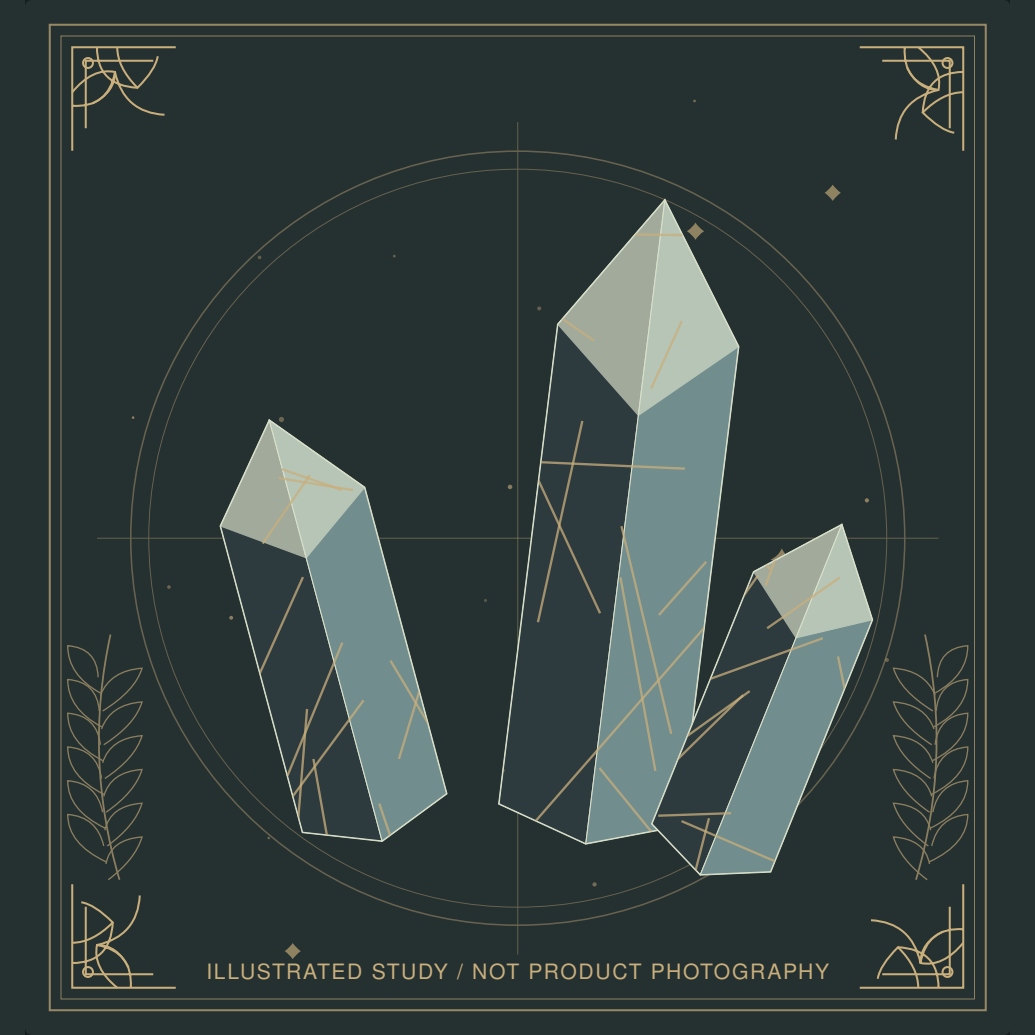
Included quartz is a comparison category for quartz containing visible minerals, fluids or growth features. Gold needles, black rods and green gardens are not one inclusion species. The host provides a window, but naming what appears inside requires more than recognizing an evocative pattern.
Aventurescent quartz-rich material with reflective inclusions.
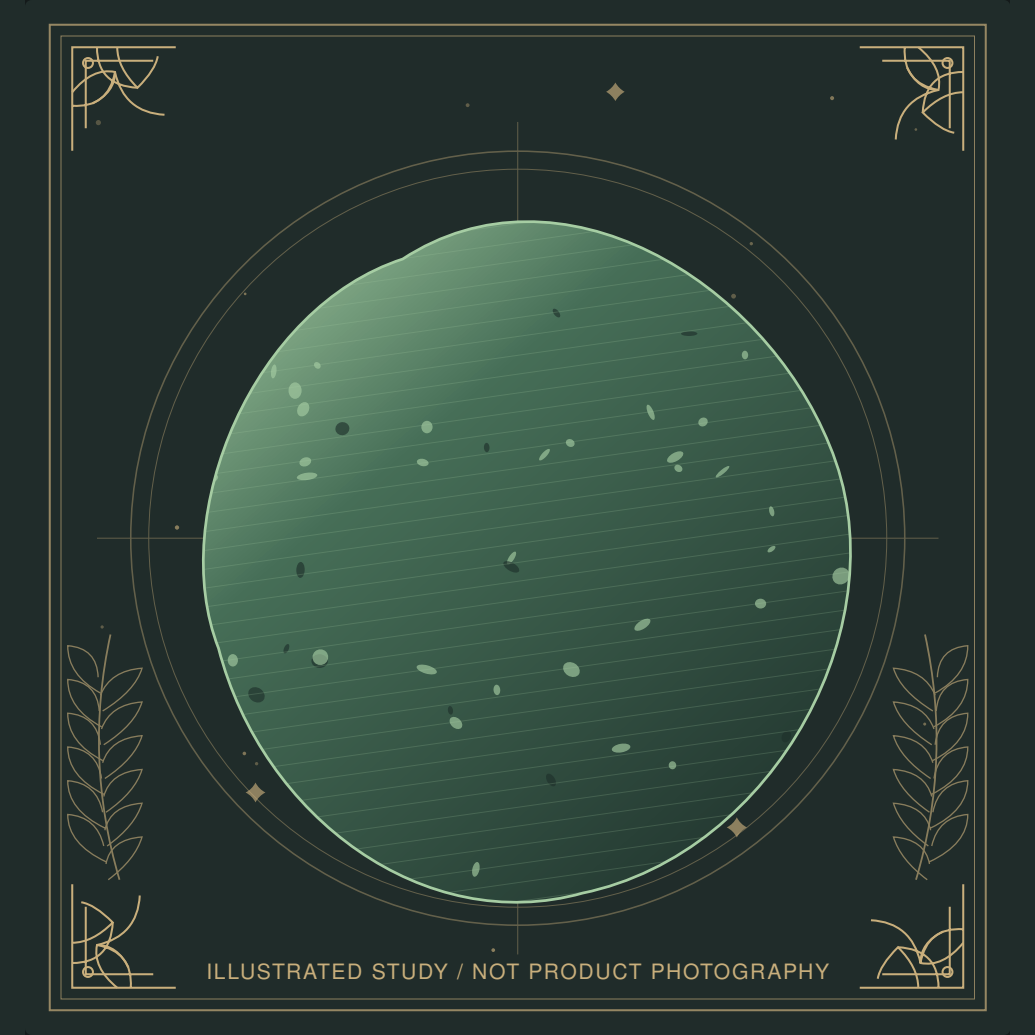
Aventurine is a quartz-rich material with reflective inclusions producing scattered glitter. Green is familiar, but red, orange, blue and yellow retail materials also occur. Its small glints differ from the broad colored flash of some feldspars and the single moving band of tiger’s eye.
Chatoyant quartz-rich material associated with fibrous amphibole textures.
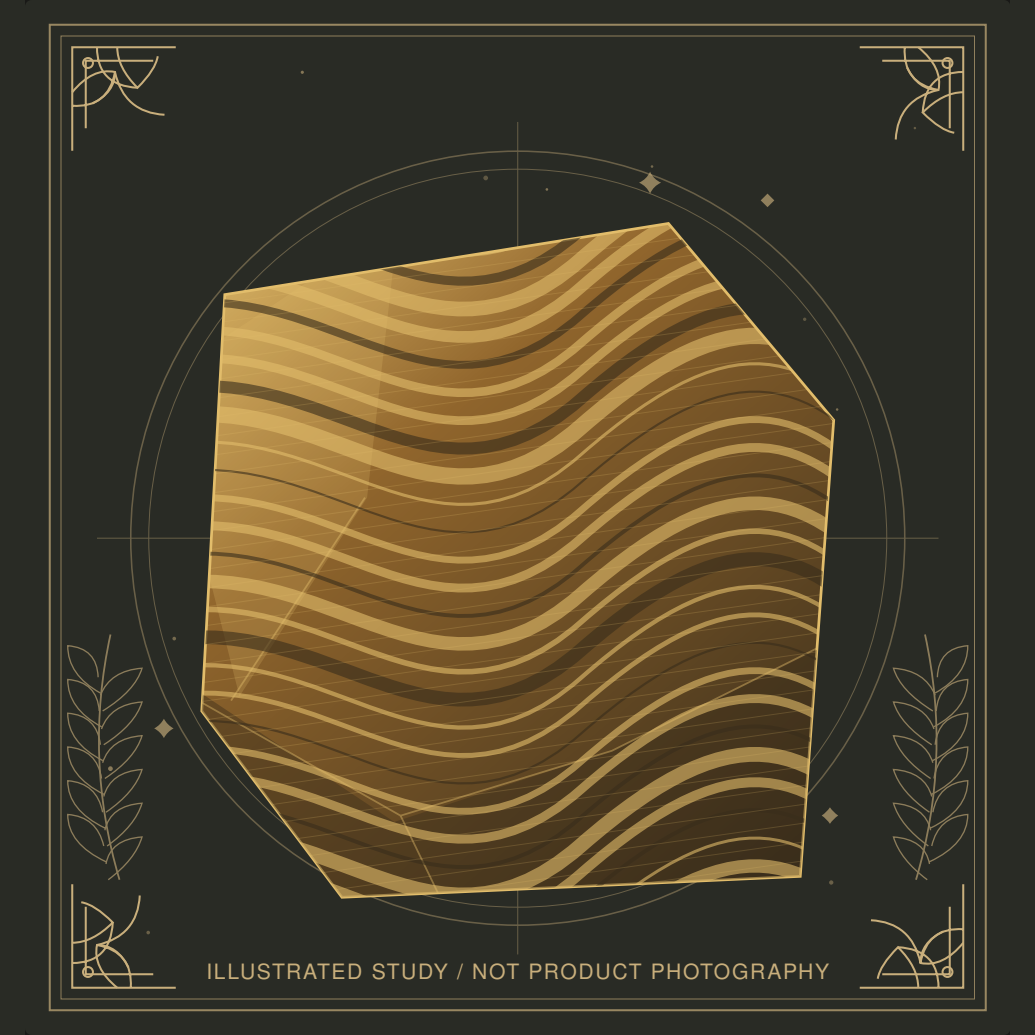
Tiger’s eye displays a silky band of reflected light that moves as the viewing angle changes. Gold-brown material is familiar, with blue material and mixed tiger-iron rocks offering useful comparisons. This directional optical effect is chatoyancy.
Trade material with chatoyant fibrous inclusions in microcrystalline quartz.
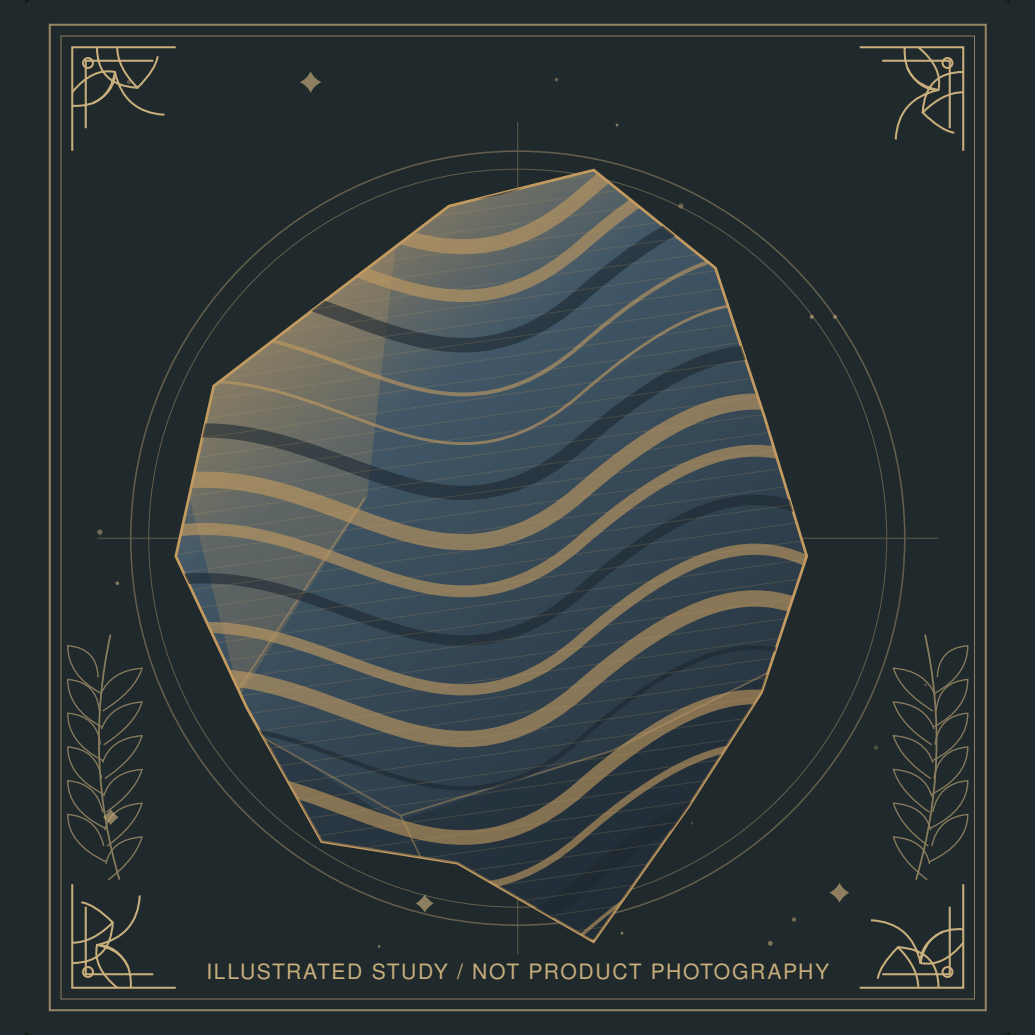
Pietersite is a trade material with turbulent blue, gold and brown chatoyant patches. The fibers appear to turn in different directions rather than maintain tiger’s eye’s orderly band. This is a silica-rich inclusion material, not a separately approved mineral species.