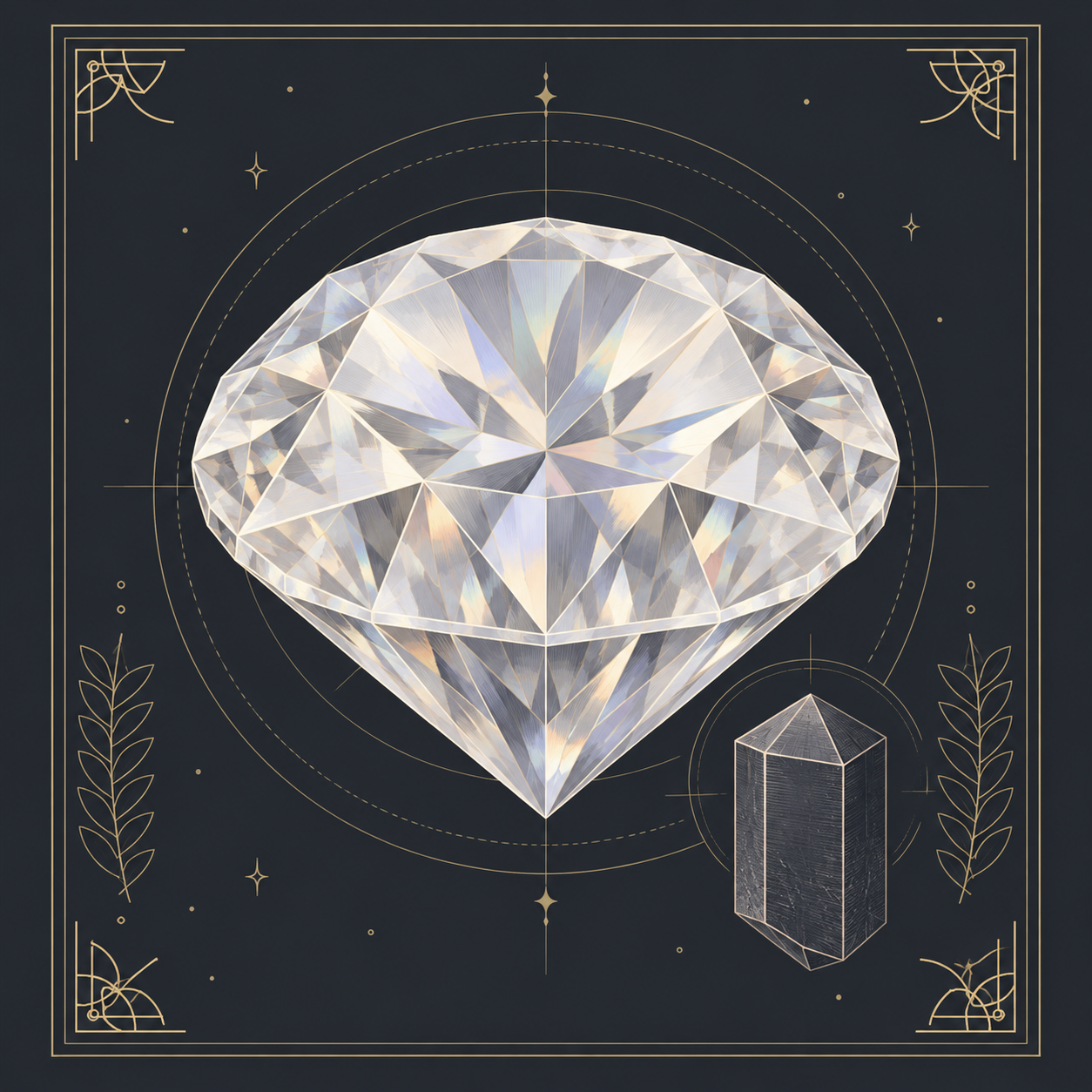
Explore gem mineral families, their color varieties, and their natural and laboratory-created counterparts. Moissanite receives its own guide, with retail origin kept distinct from its rare natural occurrence.
14 specimens · Geology, history, and attributed traditions
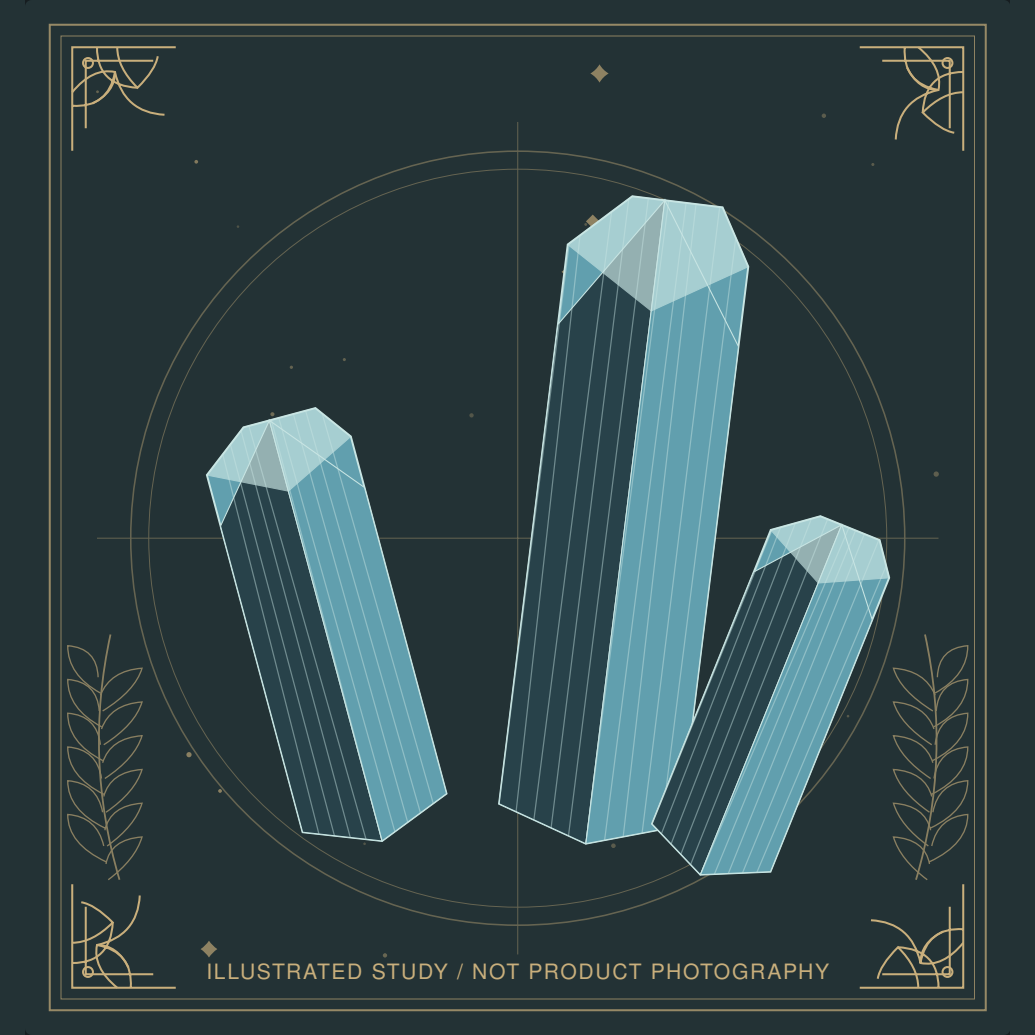
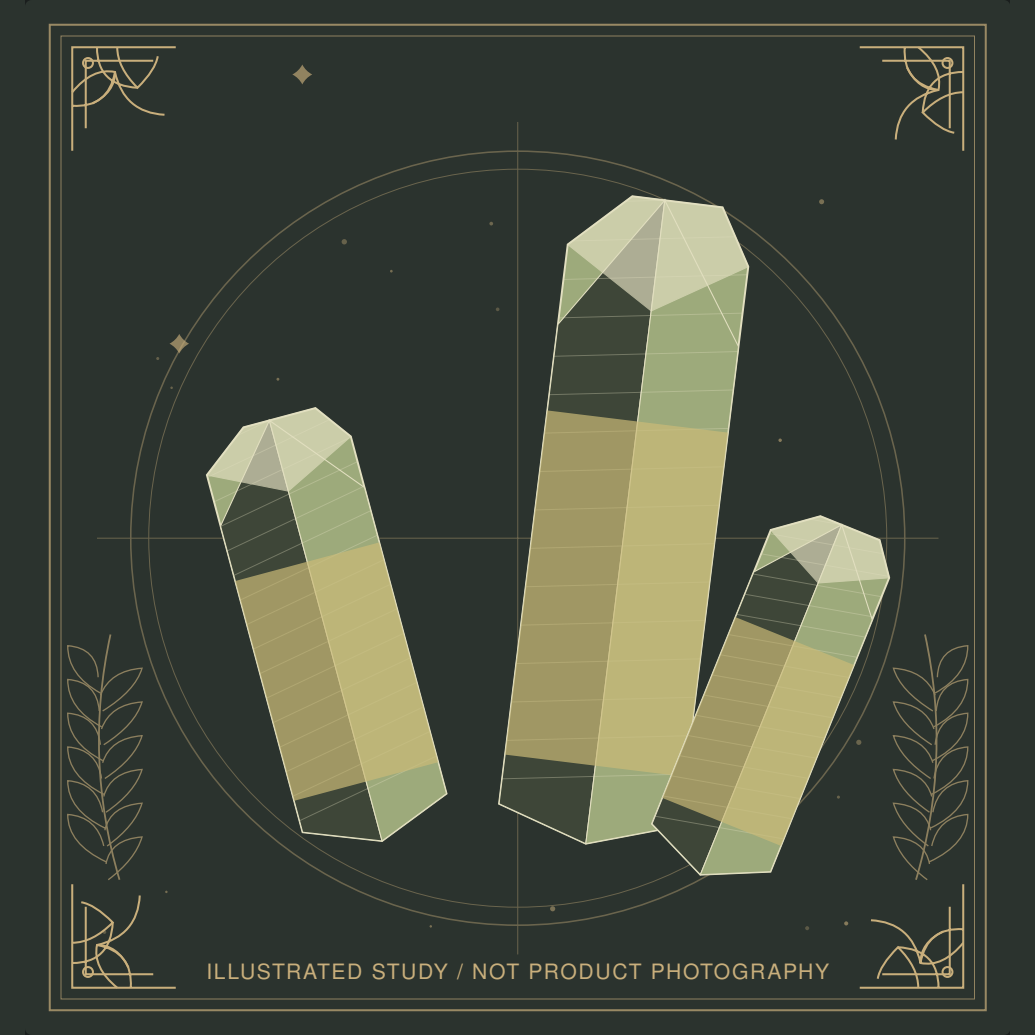
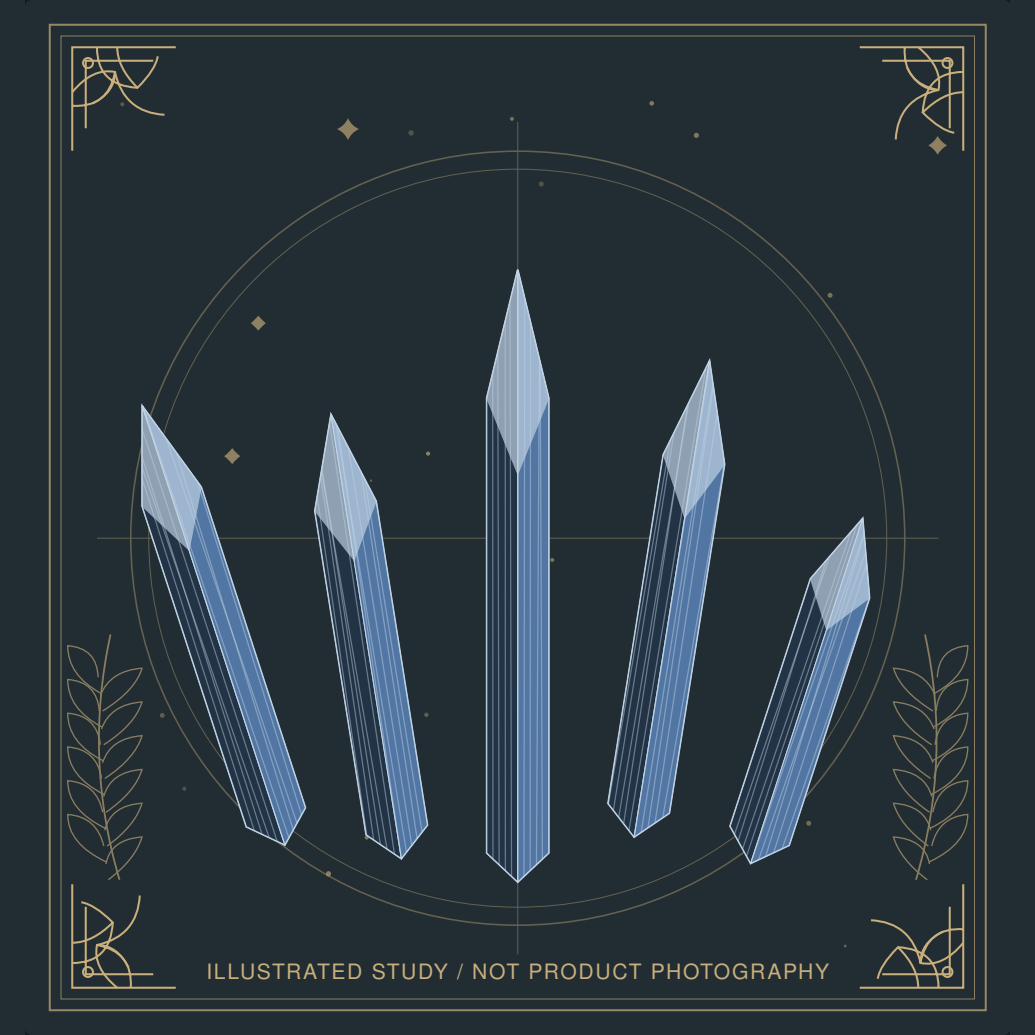
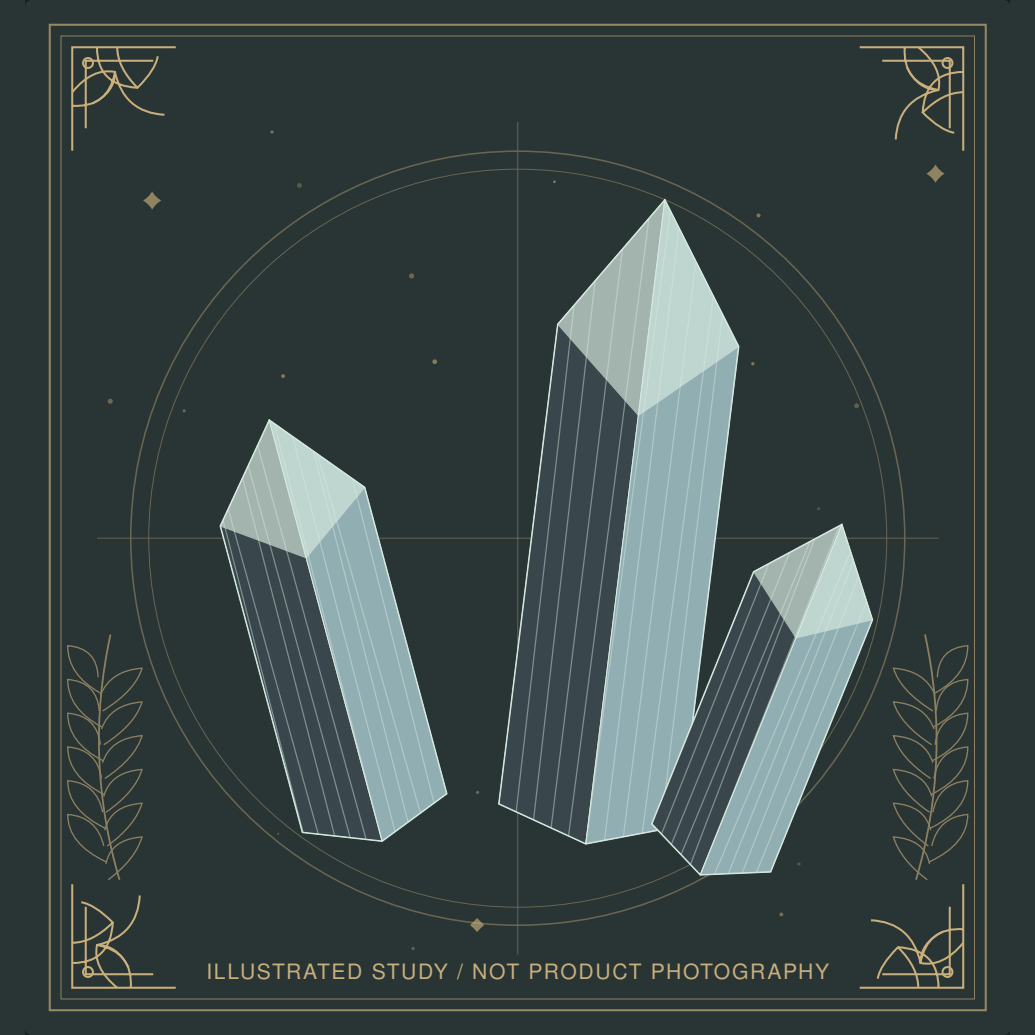
Aquamarine is blue-to-blue-green beryl. Pale transparent prisms retain an architectural hexagonal form; an opaque matrix piece can look quite different from a finished gem. Sea-colored imagery describes its appearance rather than its place of formation.
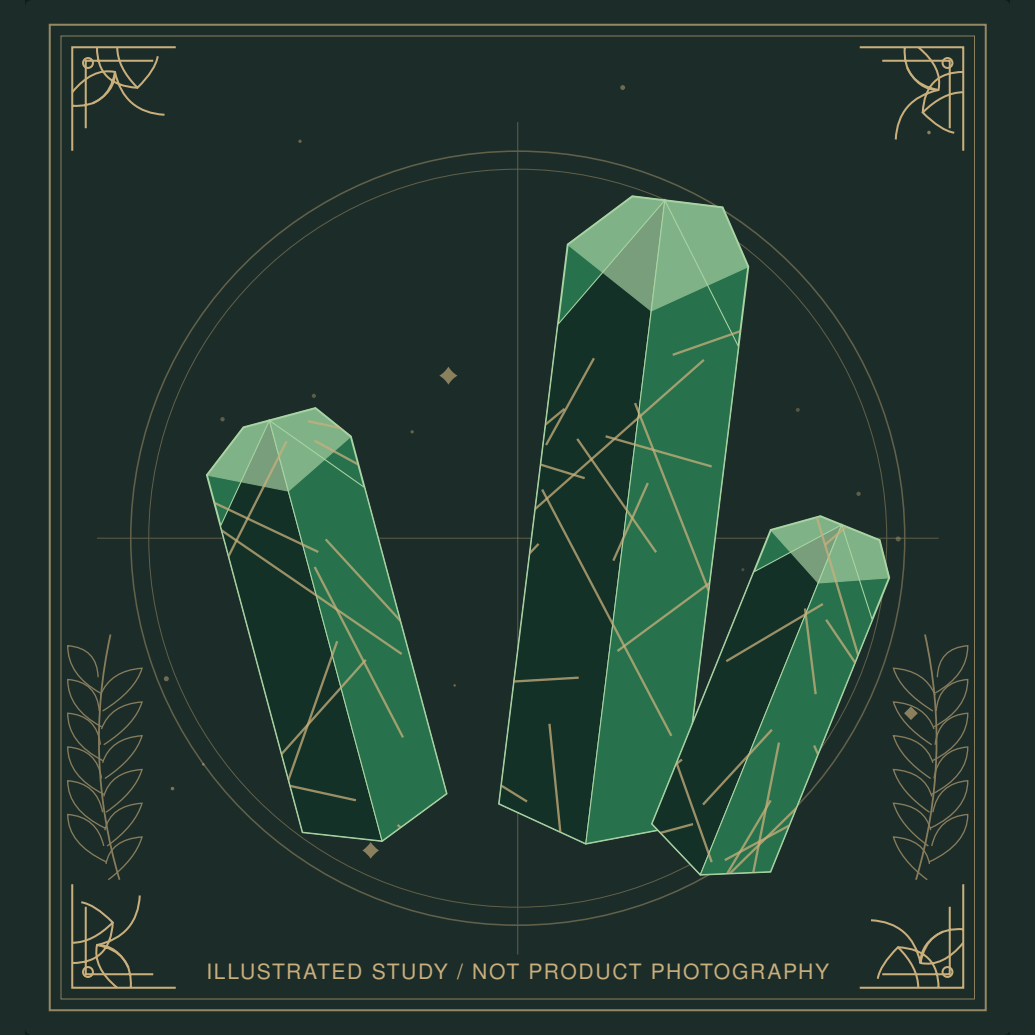
Emerald is the green gem variety of beryl. Visible inclusions and fractures can be part of its geological record, while matrix retains relationships lost in a faceted stone. Not every pale green beryl is automatically identified as emerald.
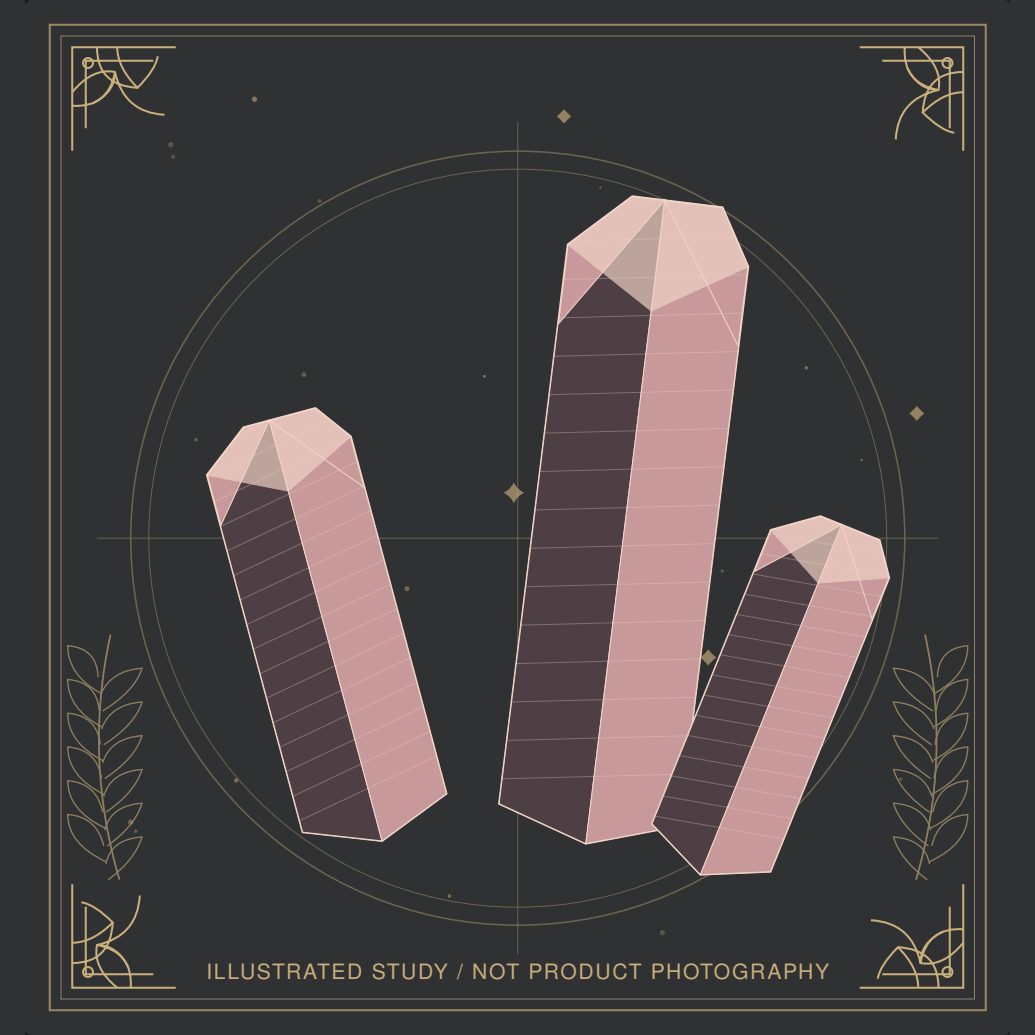
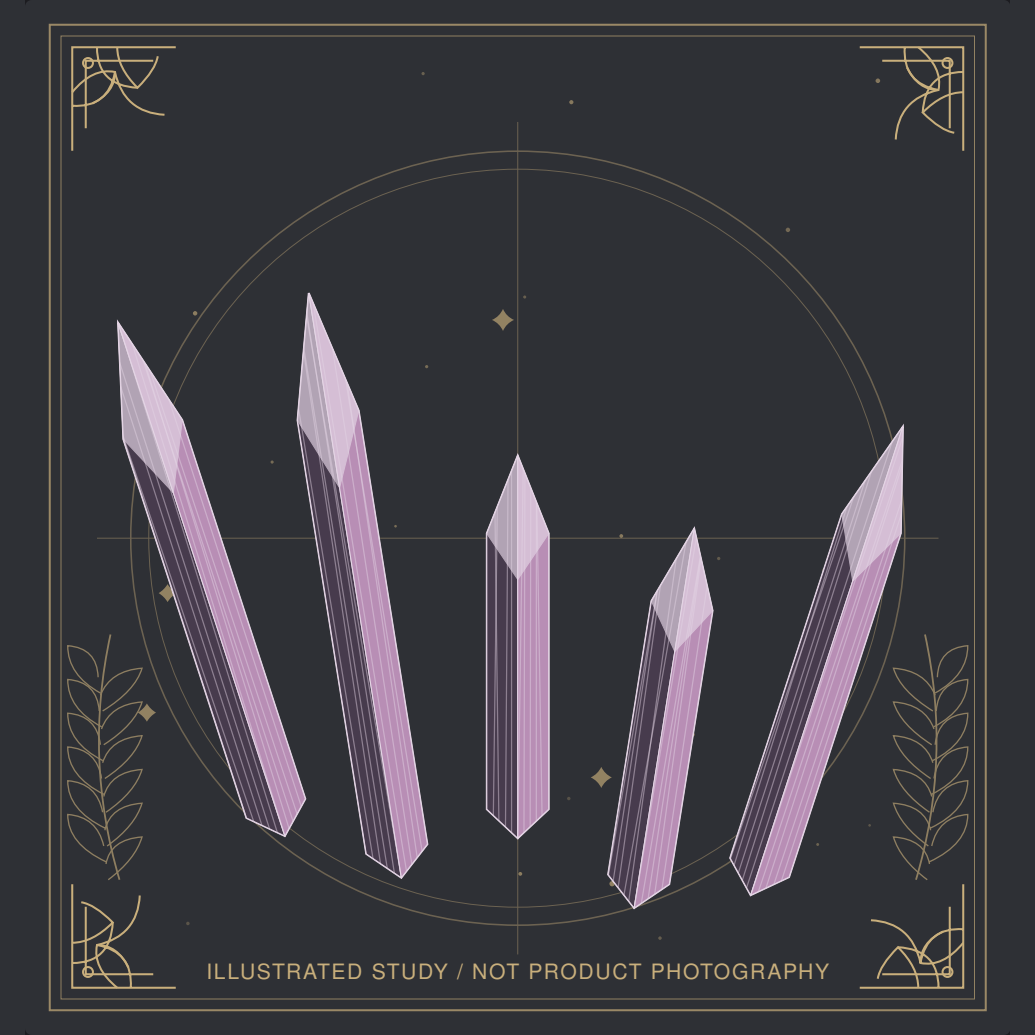
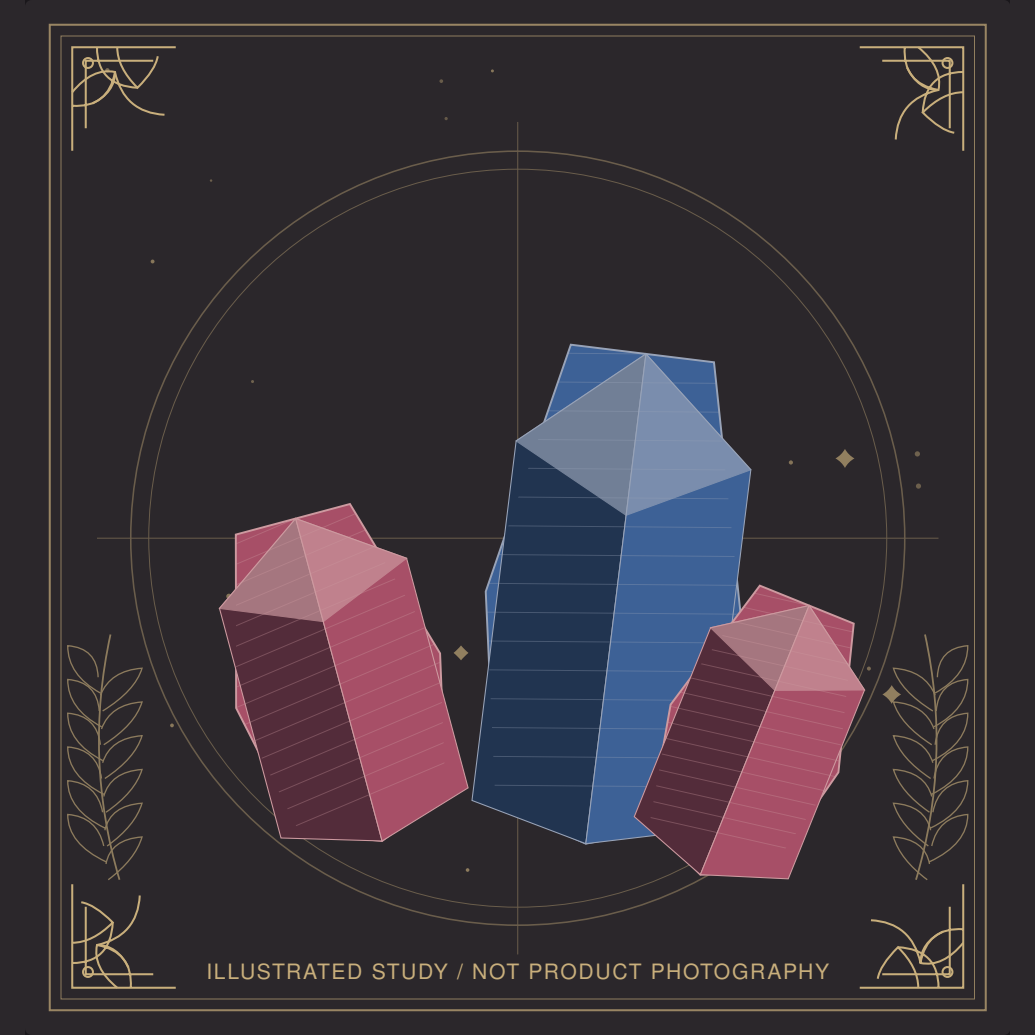
Morganite is pink-to-peach beryl, often pale enough that a larger mass displays its color more strongly. A transparent gem and a rough architectural crystal show different aspects of the same mineral framework. It is neither rose quartz nor pink glass.
Beryl family material outside the dedicated aquamarine, emerald and morganite pages.
The extended beryl family connects colorless goshenite, golden heliodor and green beryl with better-known aquamarine, emerald and morganite. These gem names usually sort color appearances within one mineral species. The comparison reveals how shared structure can support different visual identities.
Kunzite and hiddenite are gem varieties of spodumene. Pink-to-violet kunzite and green hiddenite share elongated crystal forms and a lithium-bearing pyroxene framework. The paired names do not mean their color causes or spiritual associations are identical.
Aluminium silicate mineral, polymorphous with andalusite and sillimanite.
Kyanite is an aluminium silicate frequently recognized by long blue blades. Fans, intergrown blades and dark aggregates express habit rather than a new mineral species. Color varies, so blue is characteristic but not a complete identification.
Gem-quality cordierite, often violet-blue and strongly pleochroic.
Iolite is gem-quality cordierite, often violet-blue with strongly different colors in different viewing directions. This property is pleochroism. The changing hue is not the same phenomenon as a rainbow flash produced by layered feldspar.
Andalusite; chiastolite is the cross-patterned inclusion variety.
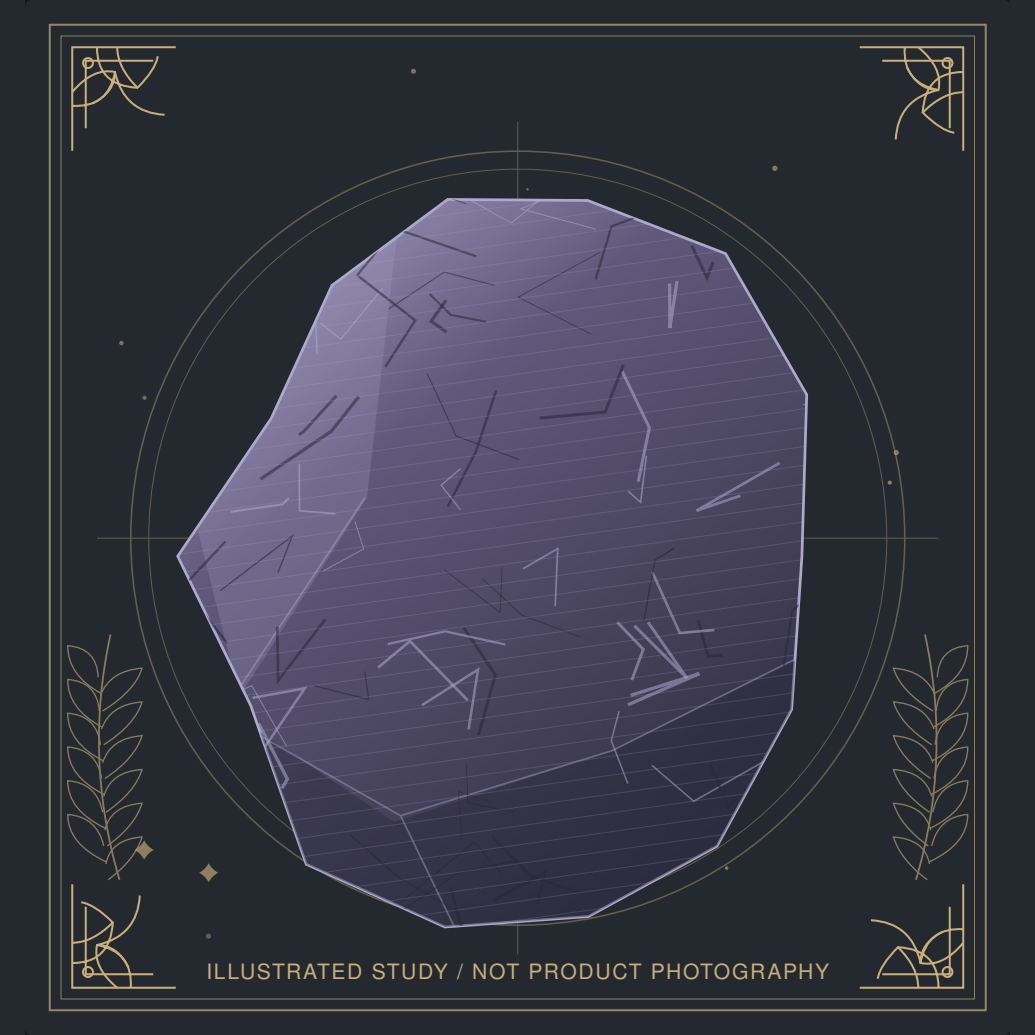
Andalusite is an aluminium silicate; chiastolite is its inclusion-patterned variety with a dark cross visible in a cut section. The internal cross is different from two whole crystals intersecting as a staurolite twin.
Calcium aluminium silicate, often pale green and botryoidal.
Prehnite is a calcium aluminium silicate, often pale green with rounded or botryoidal surfaces. A polished mass can appear softly cloudy; dark associated crystals add a very different texture. Rounded habit does not identify every component inside a piece.
Calcium aluminium iron silicate in the epidote group.
Epidote is a calcium aluminium iron silicate often recognized by pistachio-green prisms. It also occurs as a component of mixed rocks. Naming epidote in a piece does not make every part of the host the same mineral.
Zoisite mineral; tanzanite is blue-violet gem zoisite.
Zoisite is a calcium aluminium silicate with several familiar gem appearances. Blue-violet tanzanite, pink thulite and green ruby-bearing material belong in comparison, but a mixed rock is not one uniformly colored zoisite crystal.
Ruby and sapphire are gem varieties of corundum, aluminium oxide. Ruby is red; other gem colors fall under sapphire. A matrix specimen, a transparent cut gem and an opaque star cabochon reveal different appearances of this shared mineral.
Topaz is an aluminium silicate containing fluorine and hydroxyl, with colors extending beyond familiar commercial blue. Clear prisms and striated faces provide a more accurate rough silhouette than treating every specimen as a blue gem.