
The mineral atlas
Dark stones and fossil materials
Explore dark minerals, natural glass, organic gem materials, and fossil-bearing stones. Their appearances can overlap, while their composition, formation, preservation, and treatment stories remain distinct.
13 specimens · Geology, history, and attributed traditions
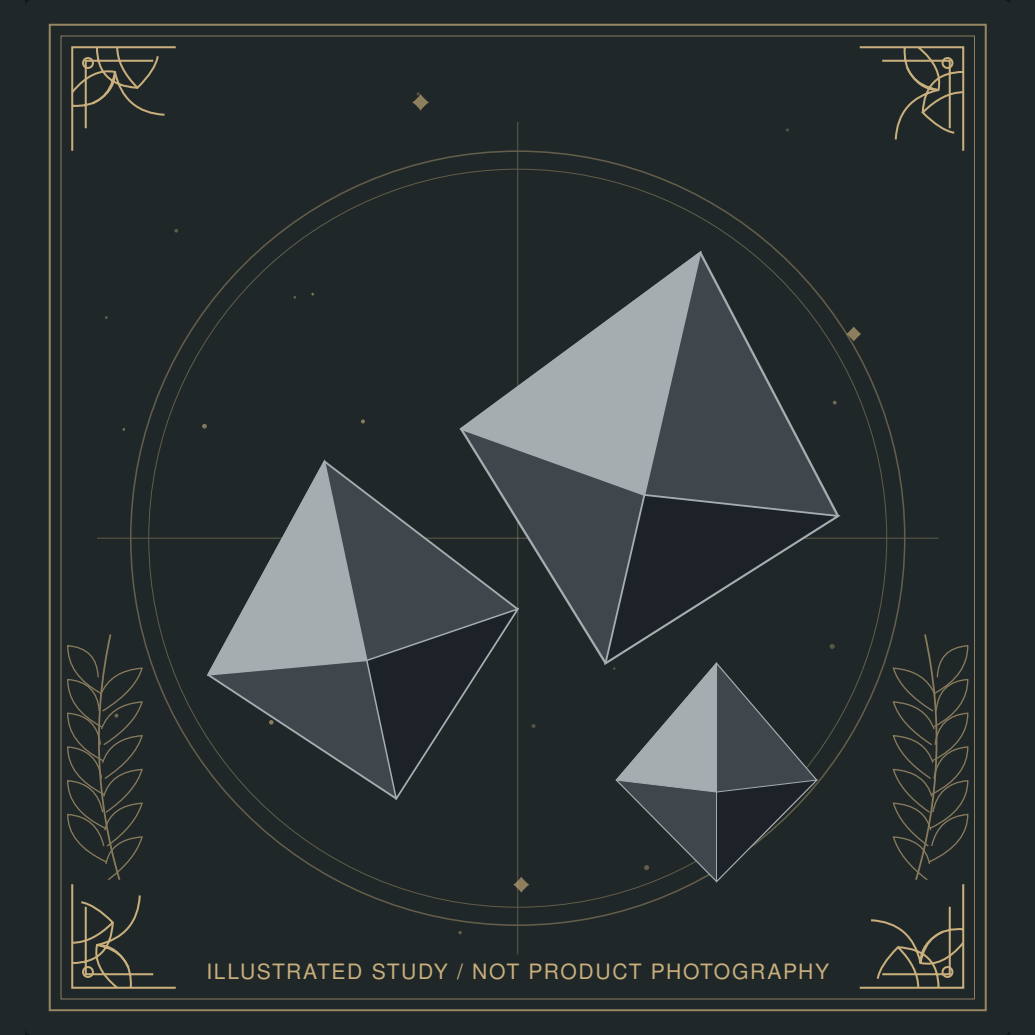
The dark octahedron
Magnetite
Magnetic iron oxide, distinct from hematite.
Magnetite is an iron oxide, Fe3O4, distinct from hematite.
Read the specimen guide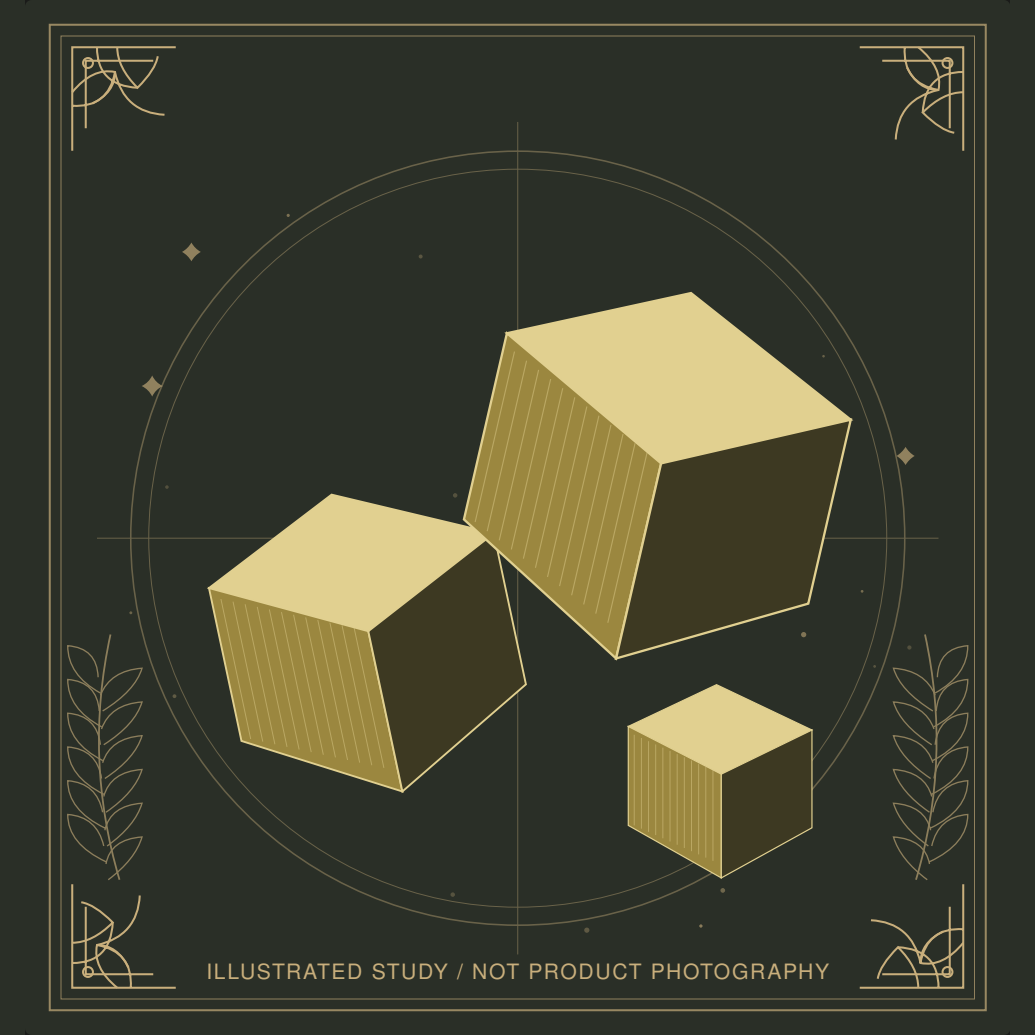
Brass geometry
Pyrite
Iron sulfide (FeS2).
Pyrite is iron sulfide, FeS2, known for brassy metallic color and precise natural crystal geometry.
Read the specimen guide
An iridescent surface
Peacock Ore: Bornite and Chalcopyrite
A retail label commonly applied to iridescent copper-iron sulfides.
Peacock ore is a retail appearance label.
Read the specimen guide
Volcanic glass
Obsidian
Natural volcanic glass, not a crystalline mineral.
Obsidian is natural volcanic glass rather than a crystalline mineral species.
Read the specimen guide
A carbon rich rock
Shungite
Name used for carbon-rich mineraloid and carbon-bearing rock from Karelia.
Shungite is used both for carbon-rich material and for associated carbon-bearing rocks, especially from Karelia.
Read the specimen guide
An organic black
Jet
Organic gem material derived from fossil wood, not obsidian or anthracite by default.
Jet is an organic gem derived from fossil wood, not obsidian and not automatically anthracite.
Read the specimen guide
Resin held in time
Amber
Fossilized resin, an organic gem rather than a crystalline mineral.
Amber is fossilized plant resin, an organic gem rather than a crystalline mineral.
Read the specimen guide
Wood made mineral
Petrified Wood
Fossil wood preserved by mineral infilling/replacement, often silica.
Petrified wood preserves a former organism through mineralization.
Read the specimen guide
A colony in cross section
Fossil Coral
Fossil coral material, sometimes replaced by silica.
Fossil coral is a biological fossil category whose present mineral composition varies.
Read the specimen guide
Life within sediment
Fossil Limestone
Carbonate rock containing visible fossils.
Fossiliferous limestone contains preserved remains within carbonate rock.
Read the specimen guide
Cracks filled with time
Septarian Nodules
Concretions with internal cracks and later mineral fillings.
Septarian describes a cracked concretion, not one mineral species.
Read the specimen guide
The vesicular surface
Lava Stone
Broad retail name, usually for vesicular volcanic rock.
Lava stone is broad retail language, often for dark vesicular volcanic rock.
Read the specimen guide