Explore banded, patterned, and colored silica materials through agate, chalcedony, and jasper. The guides explain meaningful varieties, mixed rocks, geographical labels, and the limits of retail names.
12 specimens · Geology, history, and attributed traditions
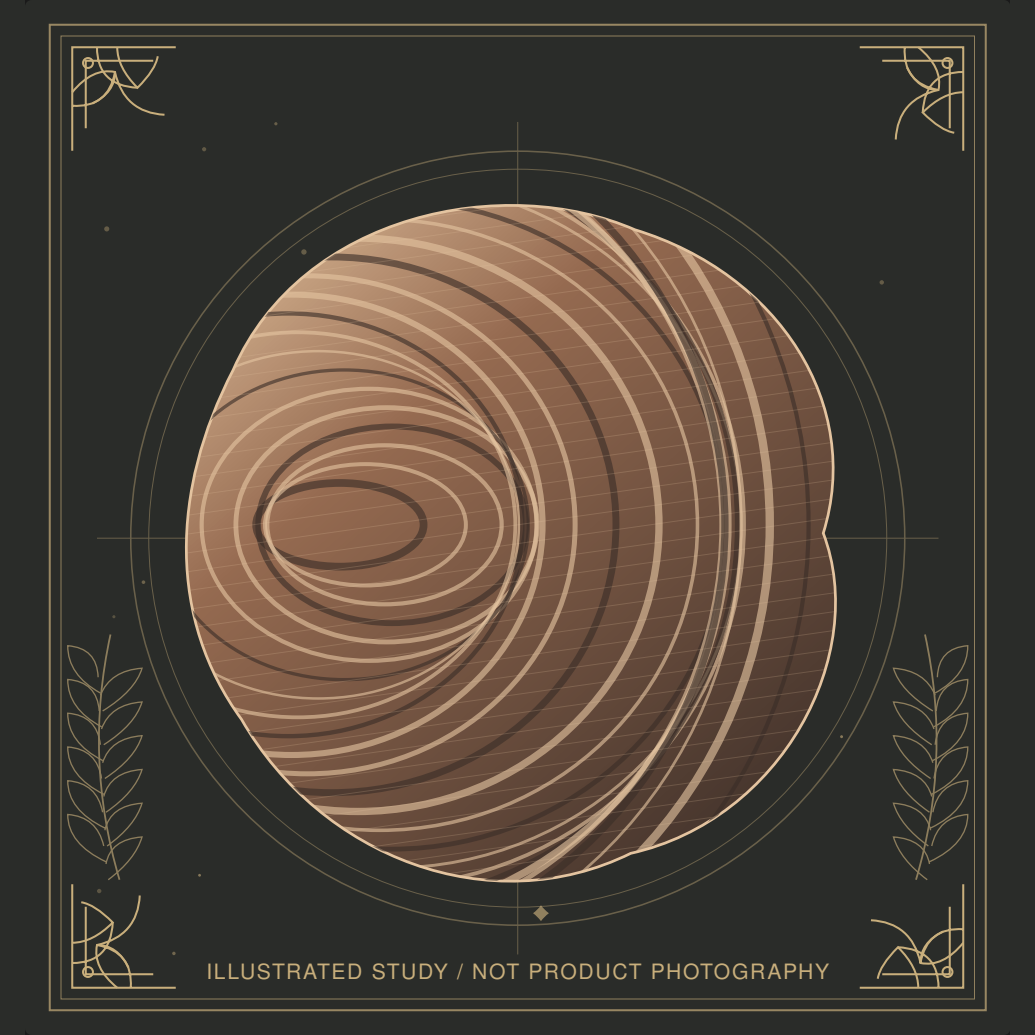
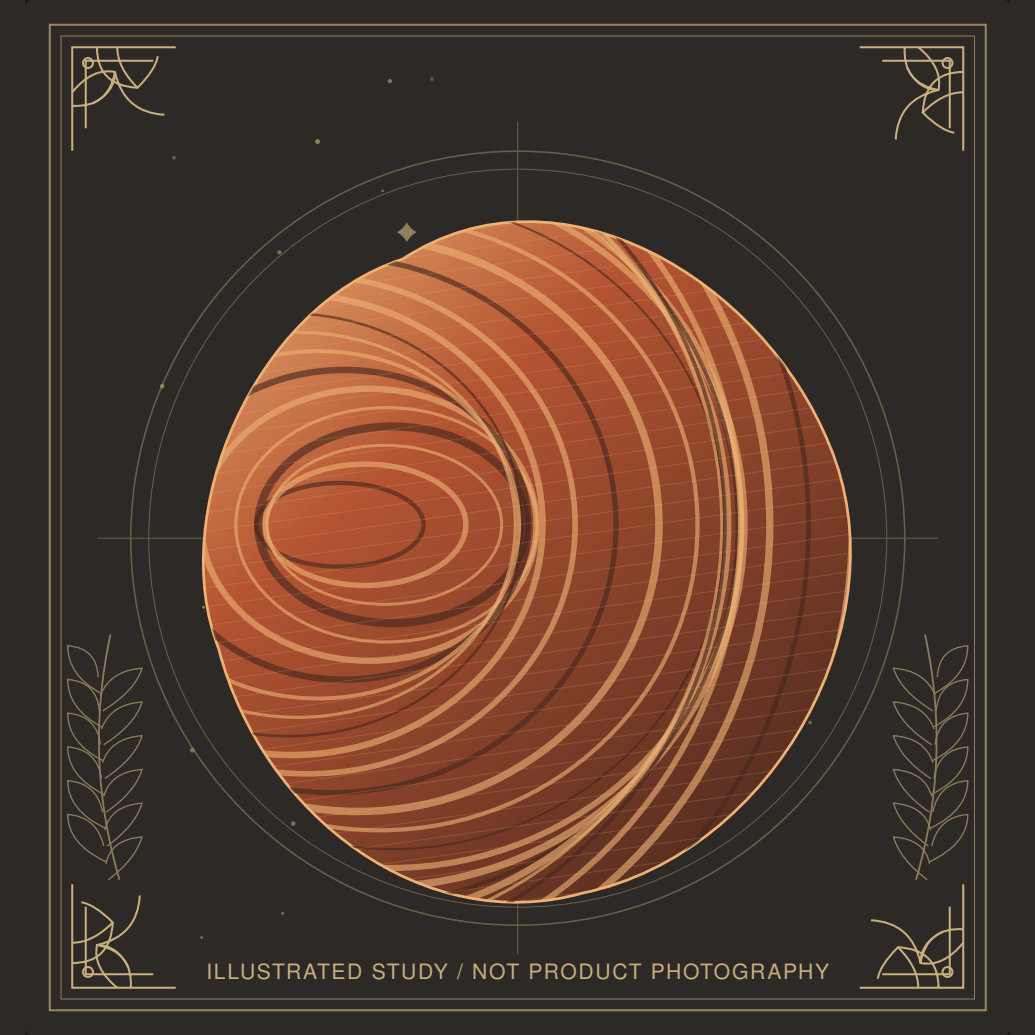
Patterned, commonly banded chalcedony, a fine-grained silica material.
Agate is patterned fine-grained silica, commonly recognized by visible bands and some translucency. A slice can expose repeated outlines around a former cavity. Locality names and visual pattern names are useful for comparison, but do not create additional mineral species.
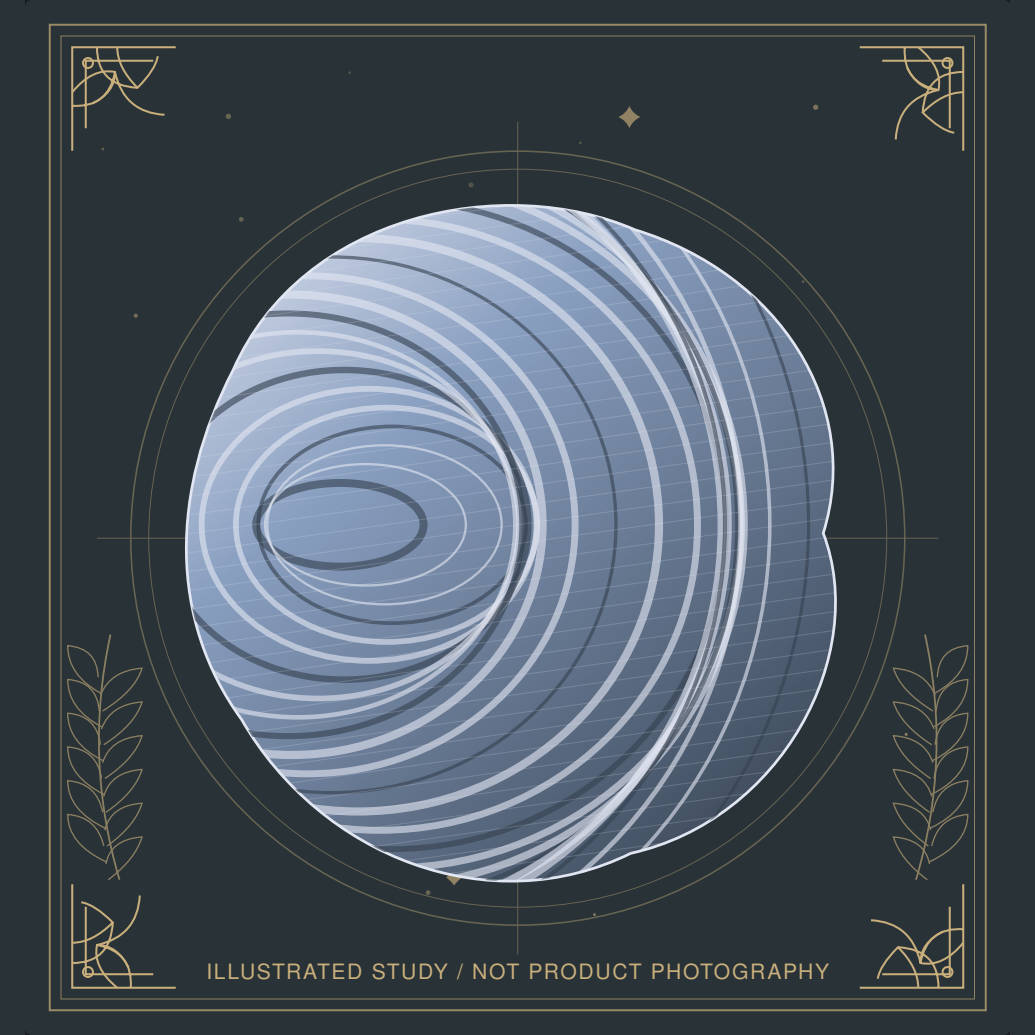
Blue lace agate combines pale blue chalcedony with white lace-like bands. The soft blue and repeated waves distinguish its visual character from an unbanded blue tumble. A small polished piece may show only a fragment of a much larger pattern.
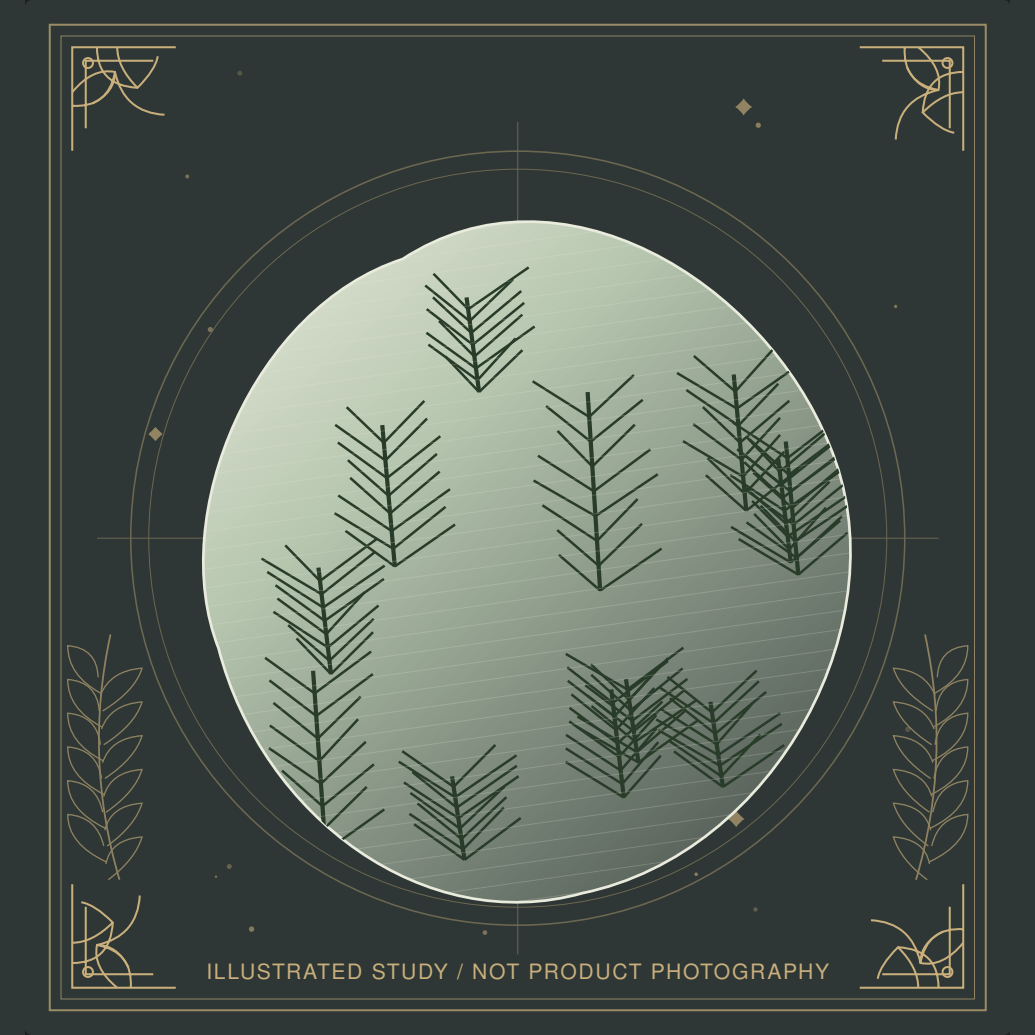
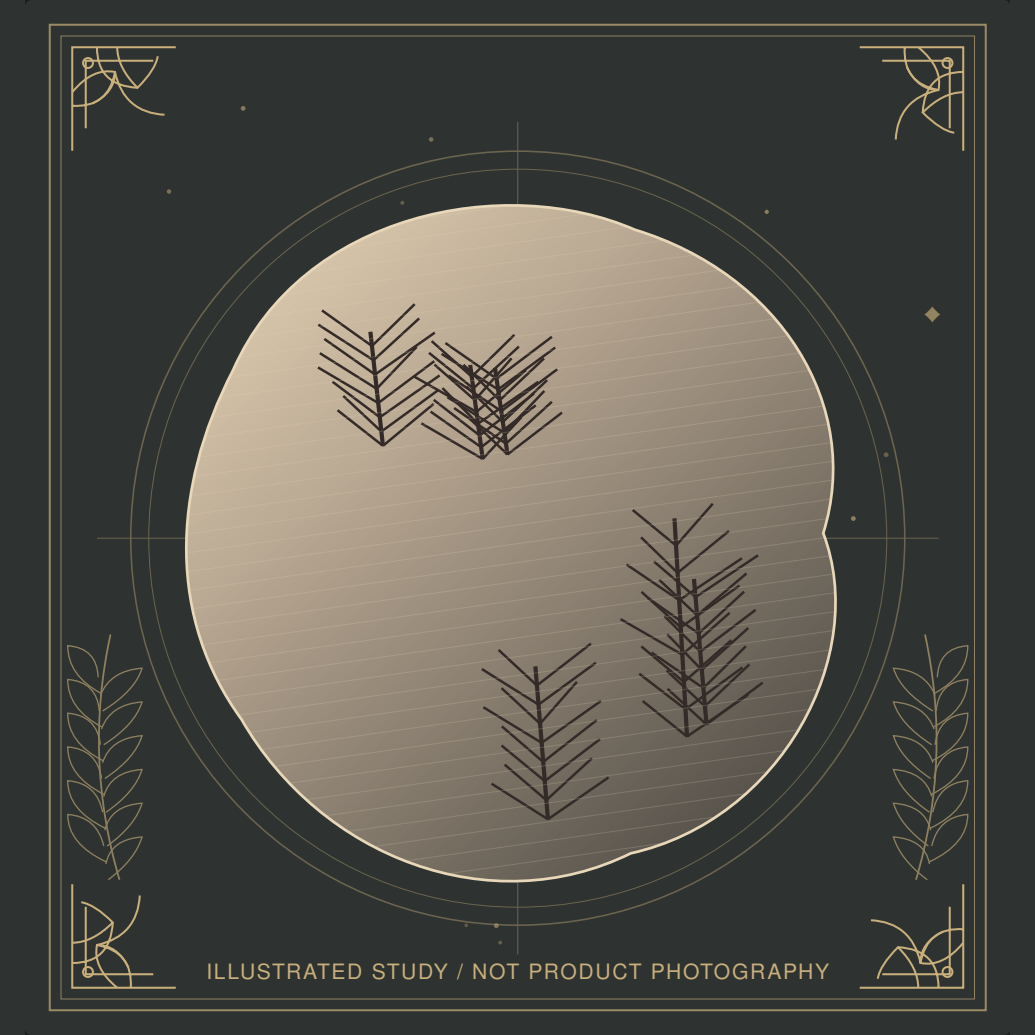
Chalcedony with mineral inclusions resembling moss or branches.
Moss and tree agate contain mineral patterns that resemble small gardens or branches. The resemblance is descriptive: no plant needs to be present. Tree-agate retail material often emphasizes green marks against a paler field, while a more translucent background can make moss-like inclusions appear deeper.
Dendritic agate contains branching inclusions in fine-grained silica. Dark twigs against a white, gray or translucent field create miniature landscapes. Dendritic describes a growth pattern, not a fossil tree or a single chemical species.
Carnelian is orange-to-red chalcedony, commonly translucent at a thin edge and smooth or waxy in its polished appearance. Its fine texture makes it suitable for small carvings and engraved surfaces rather than large visible pointed crystals.
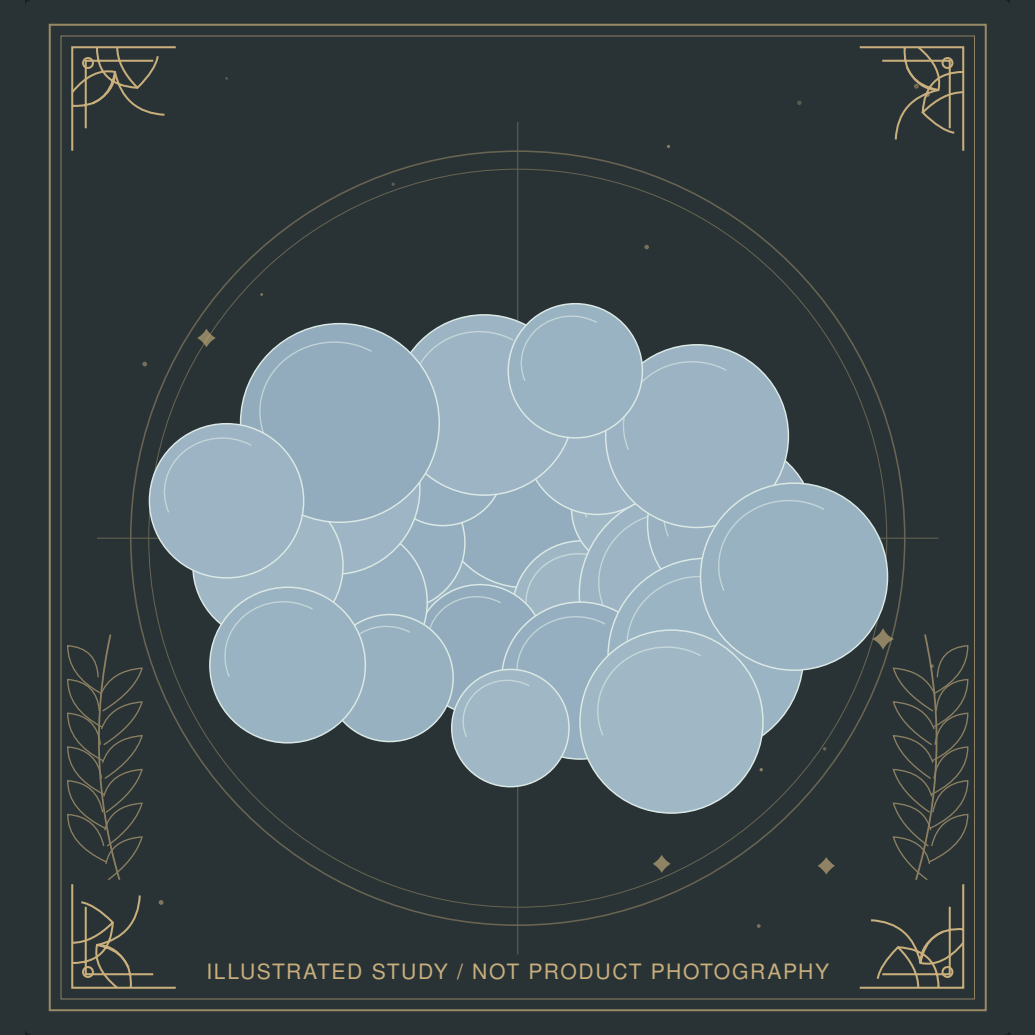
Microcrystalline/fibrous silica aggregate; includes many named gem varieties.
Chalcedony is a fine-grained silica aggregate, not one large visible quartz crystal. In narrower gem usage the name often denotes relatively even blue, white or gray material, while the wider family includes many patterned varieties such as agate and carnelian.
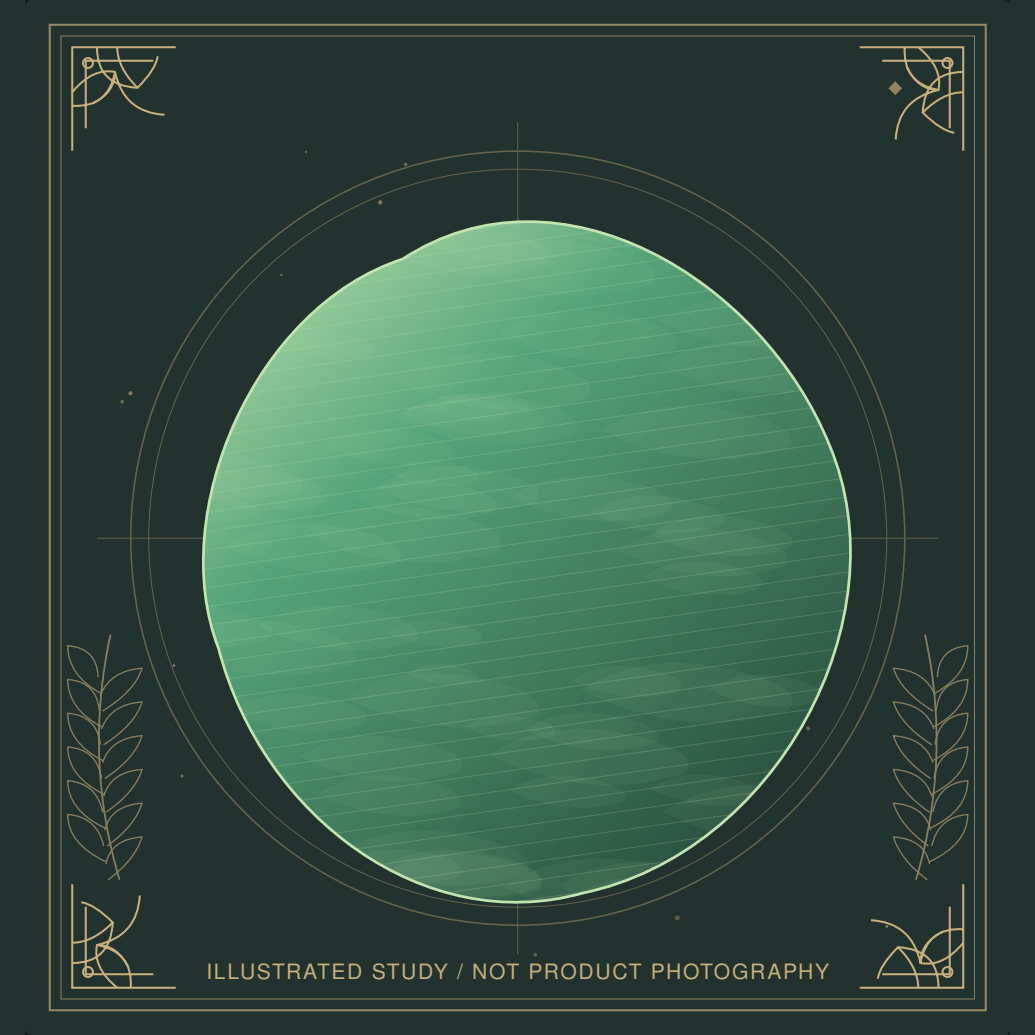
Chrysoprase is green chalcedony, valued for apple-green color and gentle translucency. It lacks aventurine’s conspicuous scattered glitter and is not jade simply because it is green. An even surface and a mottled interior can share the same broad material identity.
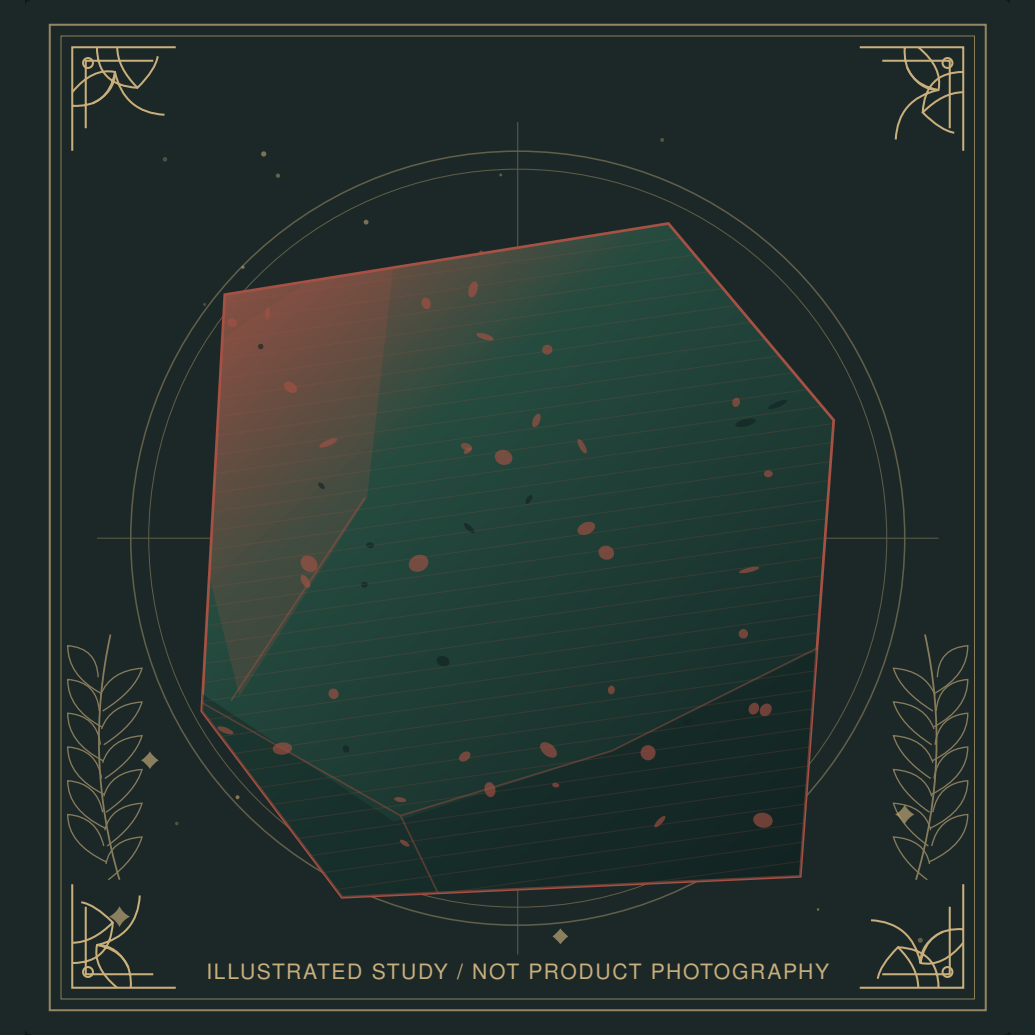
Green chalcedony/jasper material with red markings.
Classic bloodstone places red marks against a deep green silica-rich background. Heliotrope is an established alternative name. The red spots suggested blood to observers, but they are mineral coloration rather than blood or fossil organic matter.
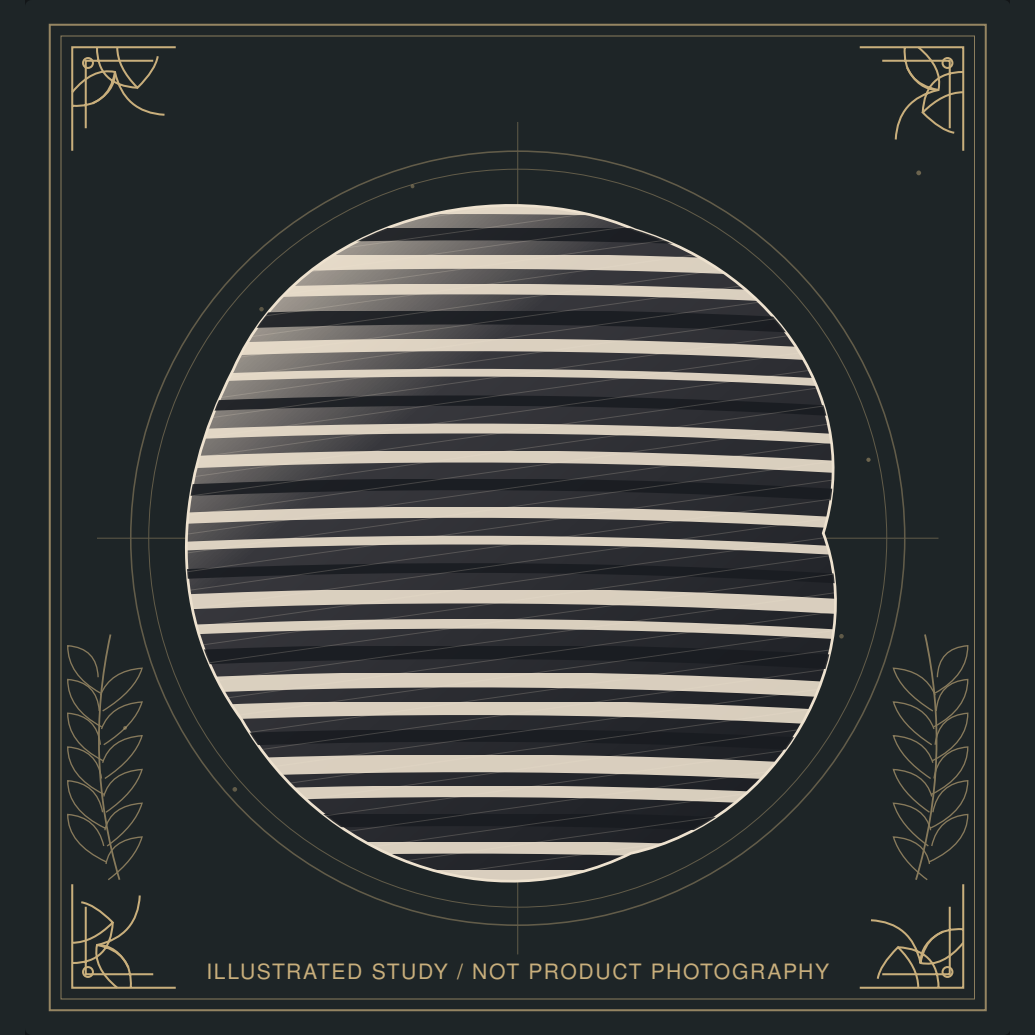
Parallel-banded chalcedony; sardonyx includes sard-colored bands.
Onyx and sardonyx are layered chalcedony materials. Straight or nearly parallel contrasting bands offer a carver a deliberate relationship between image and ground. Sardonyx includes reddish-brown layers; the retail name onyx also needs separation from softer banded carbonate.
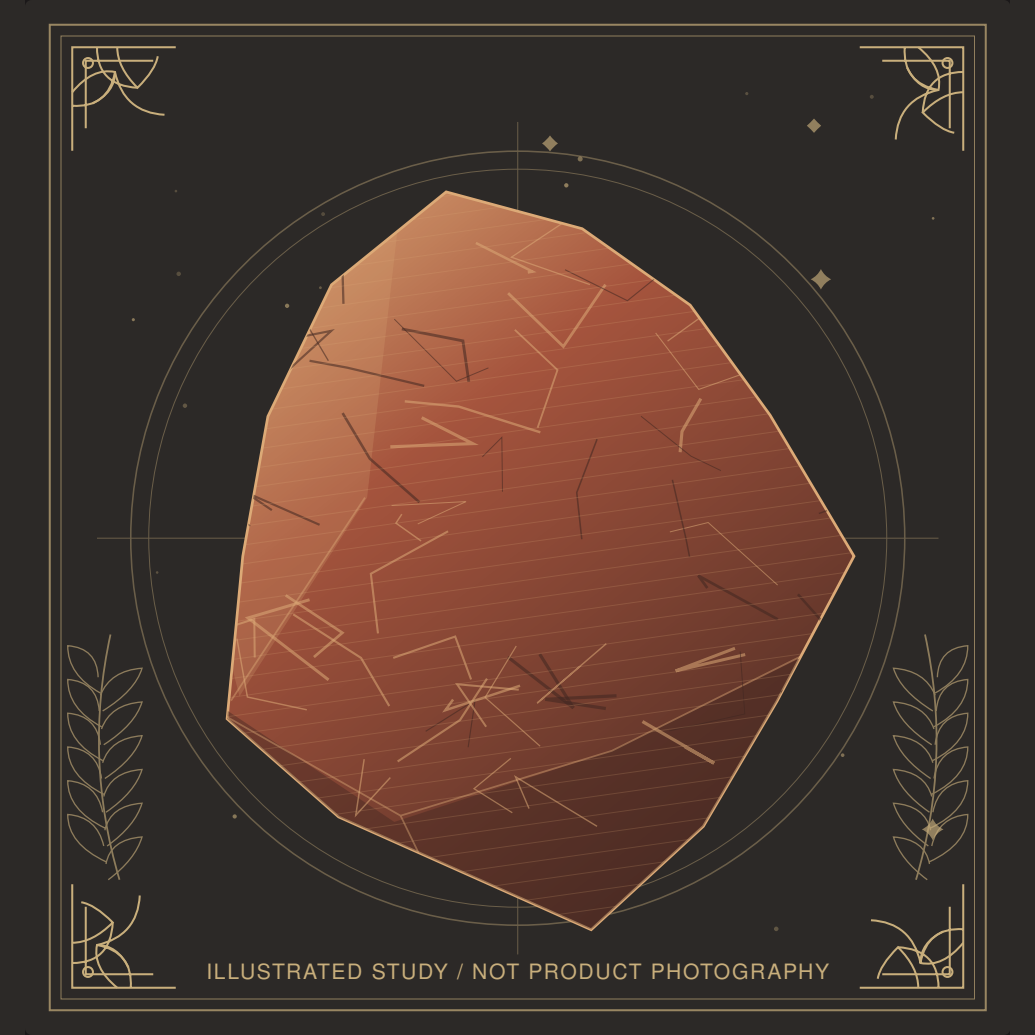
Opaque, impure, fine-grained silica-rich material; retail use of the name is broader.
Jasper is a broad name for opaque silica-rich material, usually patterned or colored by fine components. Red, yellow, brown and contrasting bands make the category visually expansive. The shop use of jasper stretches beyond strict silica identity, so a pattern name needs its own material explanation.
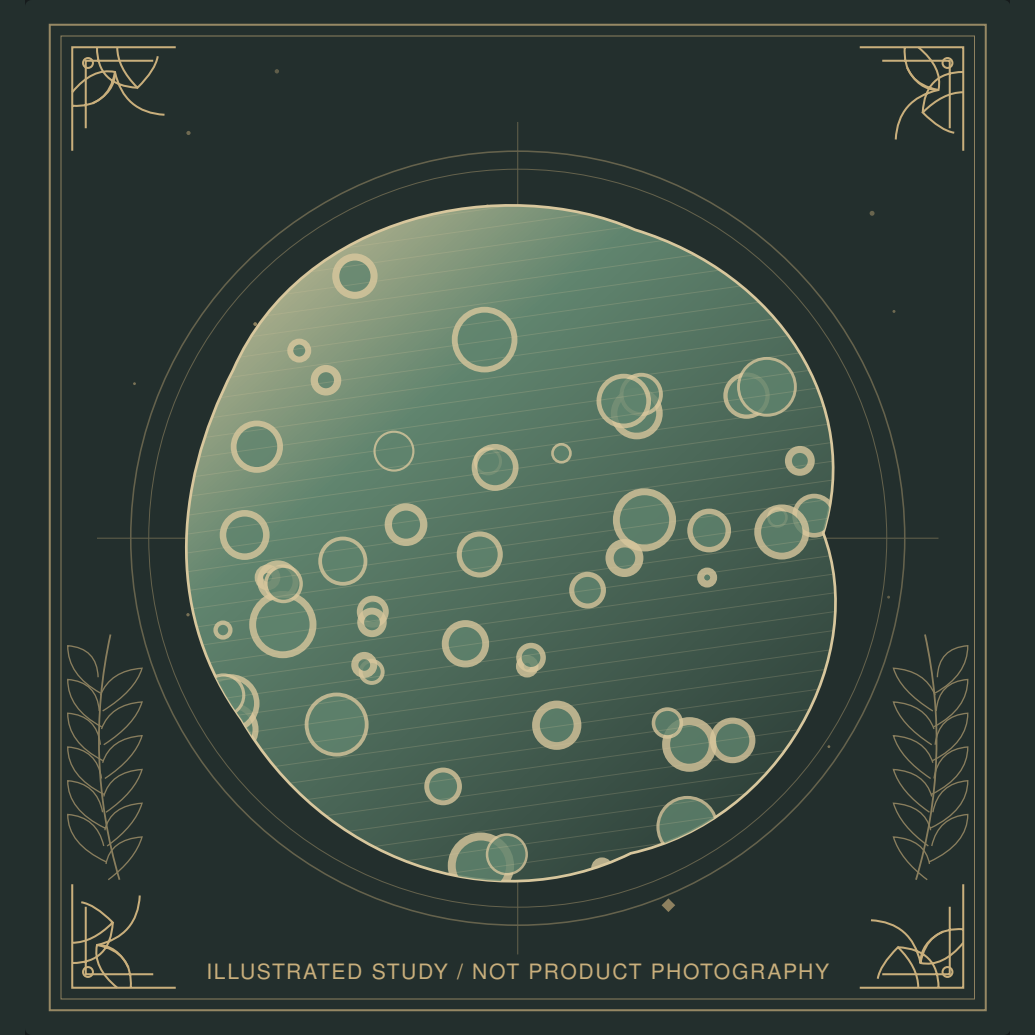
A lapidary trade name associated with orbicular silica-rich material from Madagascar.
Ocean jasper is a trade category associated with orbicular silica-rich material from Madagascar. Rounded spots, concentric outlines, cavities and color fields create its characteristic visual rhythm. The circles are mineral patterns, not proof of a specific numbered vein or coastal collection story.
Silicified radiolarian sedimentary material from Western Australia.
Mookaite is an Australian decorative rock with cream, ochre, red and wine-colored fields. Its opaque polish can resemble familiar jasper, but the material’s specific rock context is more useful than treating the name as a new mineral crystal.